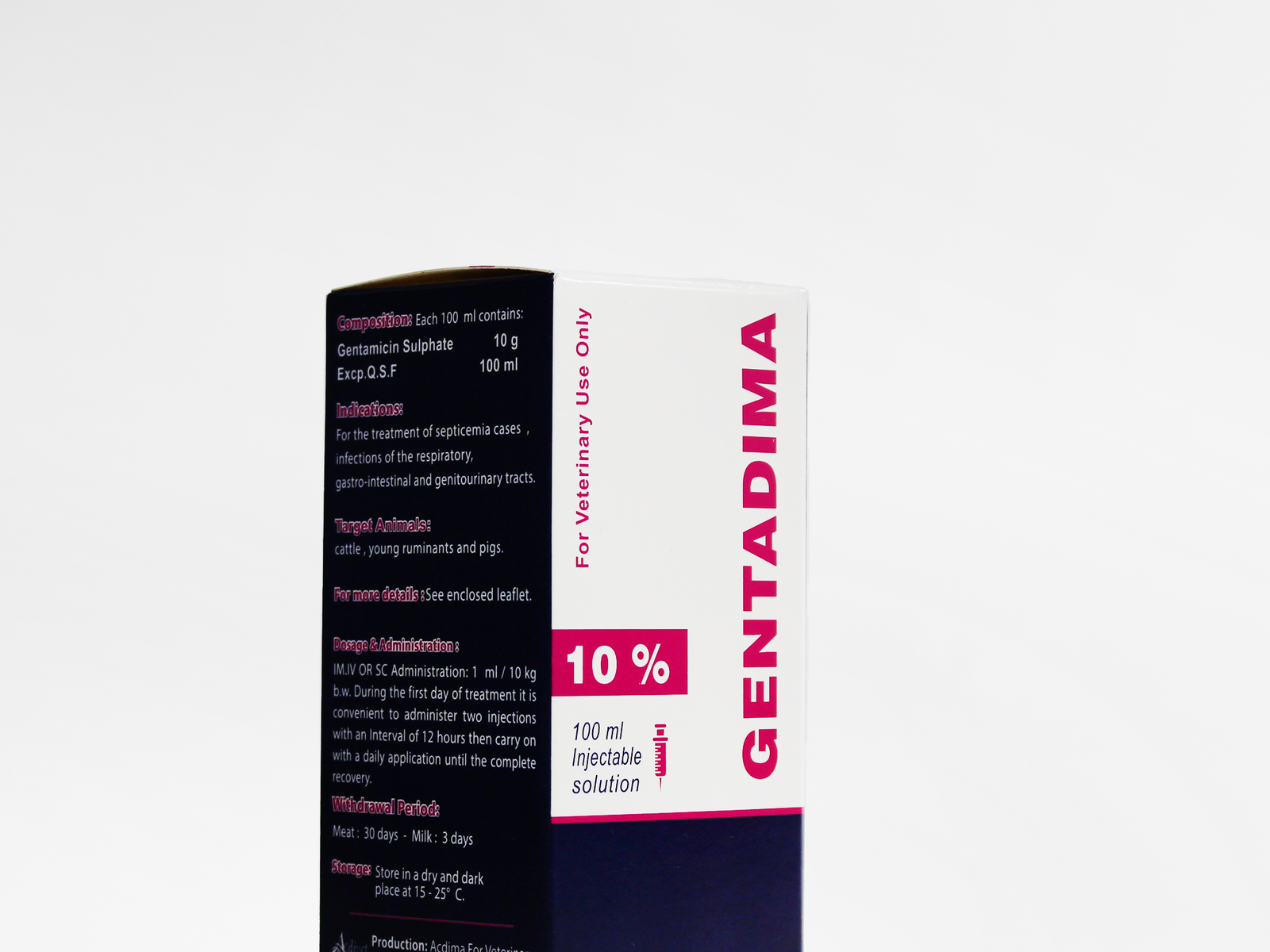
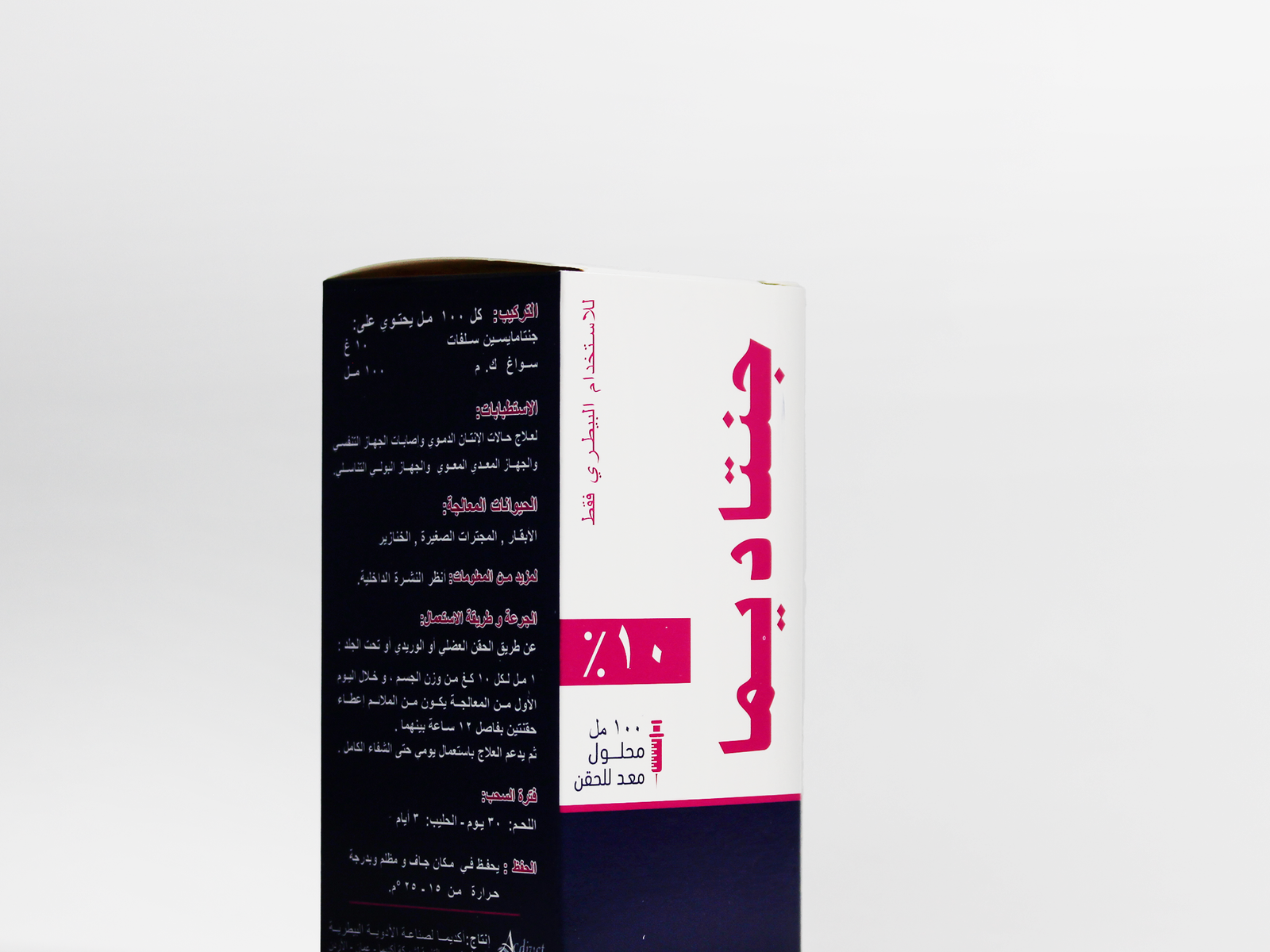
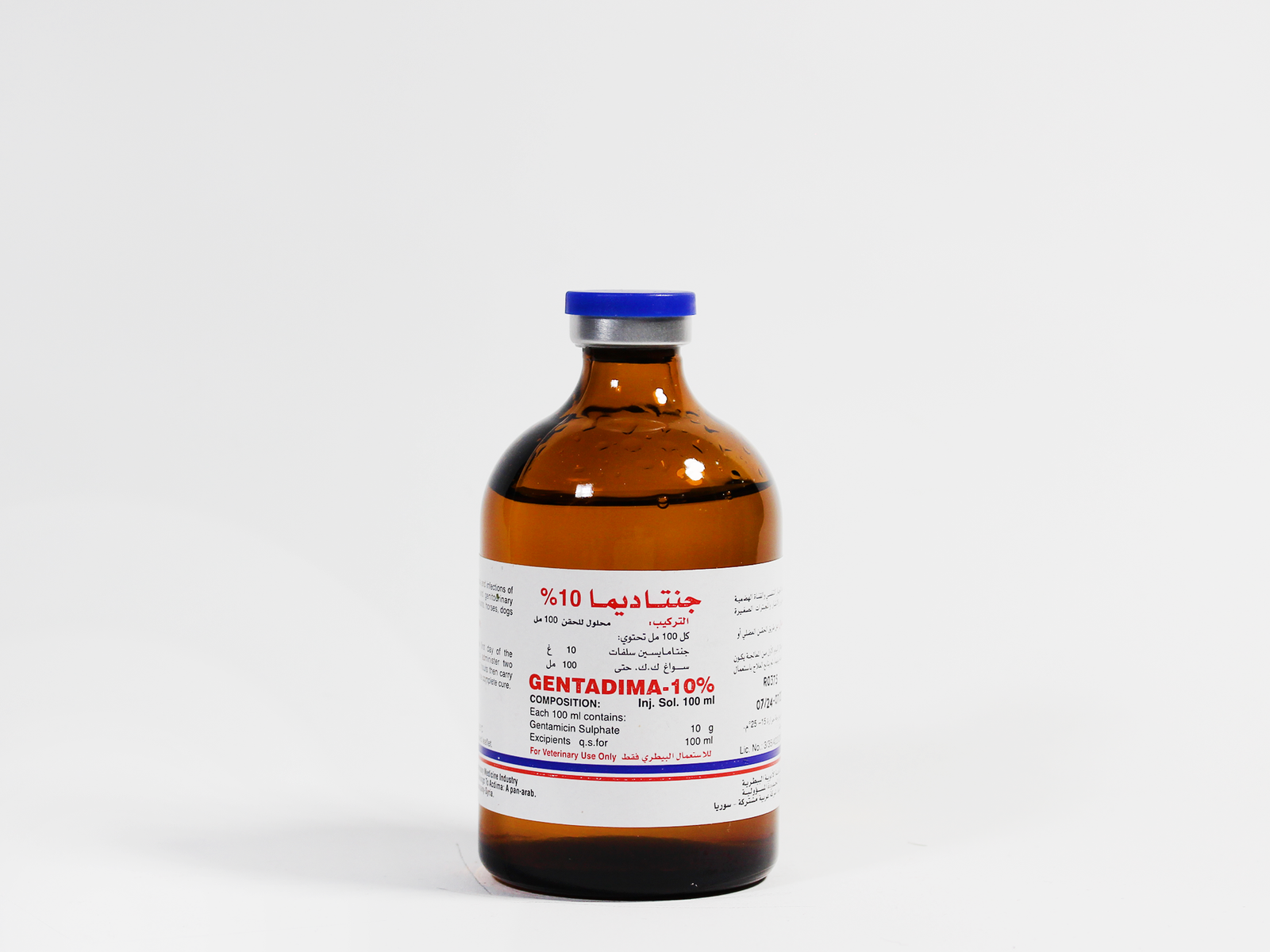
Gentadima – 10%


Gentadima – 10% ( Gentamicin Sulfate Injection) is an aminoglycoside antibiotic for parenteral use.
0$

Gentadimae®

What is Gentamicin Sulfate?

Therapeutic Class:

Target Species:

Active Ingredients: Gentamicin Sulfate

Gentamicin Sulfate Injection is a drug used to treat severe bacterial infections, such as endocarditis, pneumonia, mastitis, and urinary tract infections. This antibiotic may be used to prevent the development of drug-resistant bacteria. Gentamicin sulfate is also prescribed as prophylaxis for surgery.

This drug may be administered to help improve conception for mares with uterine infections. As an aminoglycoside antibiotic, it exerts its bactericidal action by targeting the bacterial ribosomes, specifically the 30S subunit, thus interfering with protein synthesis. It shows activity against both gram-positive and gram-negative bacteria. This disruption in protein production results in the inhibition of bacterial growth and replication.

Gentamicin Sulfate Injection is suitable for a wide range of species, including cats, dogs, goats, sheep, horses, poultry and pigs.

It is important to note that Gentamicin Sulfate Injection is for veterinary purposes only. Although there are similar medications available for humans, this particular formulation is recommended to be prescribed by a veterinary doctor or animal care specialist for an animal.

Indications :

Gentadima 10% is used to treat septicemia (blood infections) and infections of the respiratory tract, gastrointestinal tract, and genitourinary system caused by Gram-positive and Gram-negative bacteria sensitive to gentamicin, such as:

  • Pseudomonas aeruginosa
  • Escherichia coli
  • Various Proteus species
  • Various Klebsiella species
  • Various enteric bacteria
  • Various Staphylococcus species

It is also indicated for infections caused by colibacillosis that do not respond to conventional medical treatment.

Dosage and Administration :

Administered by intramuscular, intravenous, or subcutaneous injection

  • Dose: 1 ml per 10 kg of body weight.
  • On the first day of treatment, it is recommended to give two doses with a 12-hour interval between them.
  • Continue treatment with daily administration until full recovery.

Precautions :

Do NOT use Gentamicin Sulfate Injection for an animal that:

  • has a known allergy or hypersensitivity to any of the ingredients.
  • is dehydrated.
  • has kidney problems.
  • has preexisting hearing or vestibular (balance) impairments.
  • is pregnant or lactating (without careful evaluation).
  • has a known history of severe gastrointestinal disorders.

There are known interactions between gentamicin sulfate and other drugs, including omeprazole, acetylsalicylic acid (ASA/aspirin), and ibuprofen. It may also interact with diuretics such as furosemide, which can increase the risk of kidney damage when used concurrently.

Side Effects :

As with all pharmaceuticals, some unwanted effects can occur from the use of Gentamicin Sulfate Injection.

Serious side effects may include:

  • allergic reaction (skin rash, fever, facial swelling, or difficulty breathing)
  • vestibular function damage
  • reversible renal toxicity
  • ototoxicity (leading to hearing loss or balance issues)
  • neurotoxicity (leading to muscle weakness or paralysis)
  • gastrointestinal upset (vomiting, diarrhea, or loss of appetite)

If side effects occur after administering Gentamicin Sulfate Injection, immediately stop the medication and seek veterinary help. A professional will be able to assess the situation, provide treatment, and offer guidance on managing the outcomes effectively.

Signs of gentamicin toxicity may include a loss of appetite, lethargy, and weakness, potentially progressing to more serious symptoms such as hearing loss, unsteadiness, or acute kidney injury, indicated by changes in drinking and urinating habits.

For a comprehensive list of all possible side effects of this medication, consult a veterinarian.

Many veterinary professionals use Gentamicin Sulfate Injection on the following types of animals: • Cattle: Gentamicin Sulfate Injection is commonly used in cattle for the treatment of infections, such as pneumonia, septicemia, and infections caused by E. coli. Its use is typically reserved for situations where other antibiotics have failed or are ineffective due to resistance patterns. • Pigs: In pigs, it is used in young piglets to combat diseases the likes of bacterial enteritis and pneumonia caused by pathogens susceptible to gentamicin. • Dogs: For dogs, Gentamicin Sulfate is often utilized to treat infections affecting the skin, ear, and urinary tract. The medication may be used in conjunction with other treatments, such as topical therapy or oral antibiotics, depending on the location and severity of the infection. • Cats: The drug may be used for similar indications as in dogs, treating systemic bacterial infections. Because of the potential for side effects, including nephrotoxicity and ototoxicity, its use is carefully weighed against the benefits and typically reserved for cases where other antibiotics are not suitable. • Horses: Gentamicin Sulfate Injection is used for the treatment of respiratory tract infections, wound infections, and abdominal infections caused by gram-negative bacteria. It's often part of a combination therapy, especially in critical cases where broad-spectrum coverage is needed.

It's used to treat bacterial infections such as: • blood poisoning • uropoiesis • reproductive system infection • respiratory tract infection • alimentary infection (including peritonitis) • infection of the biliary tract • mastitis • parenchyma infection

This drug is used to treat a range of animals including companion animals like cats and dogs, as well as larger animals such as horses. It is also indicated for use in livestock, including cattle, goats, sheep, and pigs.

The liquid form of Gentamicin Sulfate Injection is administered parenterally, given directly into the bloodstream or muscle tissue, and bypassing the gastrointestinal tract for rapid absorption. The exact route of administration (subcutaneous, intravenous, or intramuscular) depends on the type and severity of the infection and the animal being treated.

The drug interferes with bacterial protein synthesis by binding to the 30S subunit of the bacterial ribosome. This binding disrupts the integrity of the cell membrane and the production of vital proteins, leading to the death of the bacteria.

Gentamicin Sulfate is primarily effective against aerobic gram-negative bacteria and some gram-positive bacteria, but it is not effective against anaerobic bacteria, fungi, or viruses. Bacterial culture and sensitivity testing should be done prior to administration.

Yes, there are. Gentamicin Sulfate should be used with caution in animals with pre-existing kidney problems, as it is known to be nephrotoxic. It can also cause ototoxicity.

This drug can be used in combination with other antibiotics to provide a broader spectrum of action. However, it may interact with other types of medications, such as diuretics, which can increase the risk of toxicity.

The withdrawal time is 18 months or more for meat. The withdrawal period is the time required after the last administration of the medication before the animal can be slaughtered for food to ensure that residual drug amounts are not present in the meat.

The animal should be observed for signs of improvement in the symptoms associated with the infection. Veterinarians may conduct periodic blood tests to monitor kidney function and drug levels in the bloodstream. Too low levels may not effectively treat the infection, and too high levels could lead to toxicity.

This medication should be stored in a dark, dry location between 20-55°C. The vial should be sealed tightly. Exposure to light or extreme temperatures can lead to degradation of the antibiotic, rendering it less effective or even harmful.

For a 1-to-3-day-old piglet, the usual dose is 5mg, given once IM.

For a 1-day-old chick, the usual dose is 0.2mg, given once SC in the neck.

The usual dose is 4.4mg/kg, given twice on the first day SC/IV/IM. Then, a dose of 4.4mg/kg once a day thereafter. The average duration of treatment is 5-7 days.

The usual dose is 20-25ml (2-2.5g gentamicin) per day for 3 to 5 days during estrus.

If an incorrect dose was given to the animal, contact the veterinarian immediately. Underdosing may lead to ineffective treatment and the potential for bacterial resistance, while overdosing can cause serious toxicity, including kidney damage and hearing loss, especially in species known to be sensitive to aminoglycosides like gentamicin. Symptoms of overdose may include loss of balance, disorientation, or lack of urine production in the case of kidney failure.

Administer the dose as soon as remembered. Do not give the missed dose if it's close to the next one and, instead, return to the regular dosing schedule. Do not double the dose to catch up. Maintaining consistent levels of the drug in the bloodstream is crucial for the success of the treatment.

Refer to a veterinary doctor or pharmacist for guidelines on dosage.
WhatsApp WhatsApp