





Dimalgin 50%
Dimalgin 50%
Metamizole Sodium Injection is an analgesic drug for parenteral use
Metamizole (Dipyrone) has specific applications and effects in different animals like:
- Cows: Metamizole is primarily used for pain management in cows, particularly for conditions like inflammatory diseases, musculoskeletal pain, and pain associated with mastitis. Its antipyretic properties make it useful in managing fevers, which can accompany various infections.
- Dogs: In dogs, the drug is often used for acute pain relief, such as post-operative pain or pain associated with injuries. Its antispasmodic properties can also be beneficial in treating spasms of the gastrointestinal and urogenital tracts.
- Horses: Metamizole's use in horses is notable for its effectiveness in treating colic pain, which is a common and serious condition in equines. It also serves as an antipyretic in cases of fever and as an anti-inflammatory agent for various musculoskeletal disorders.
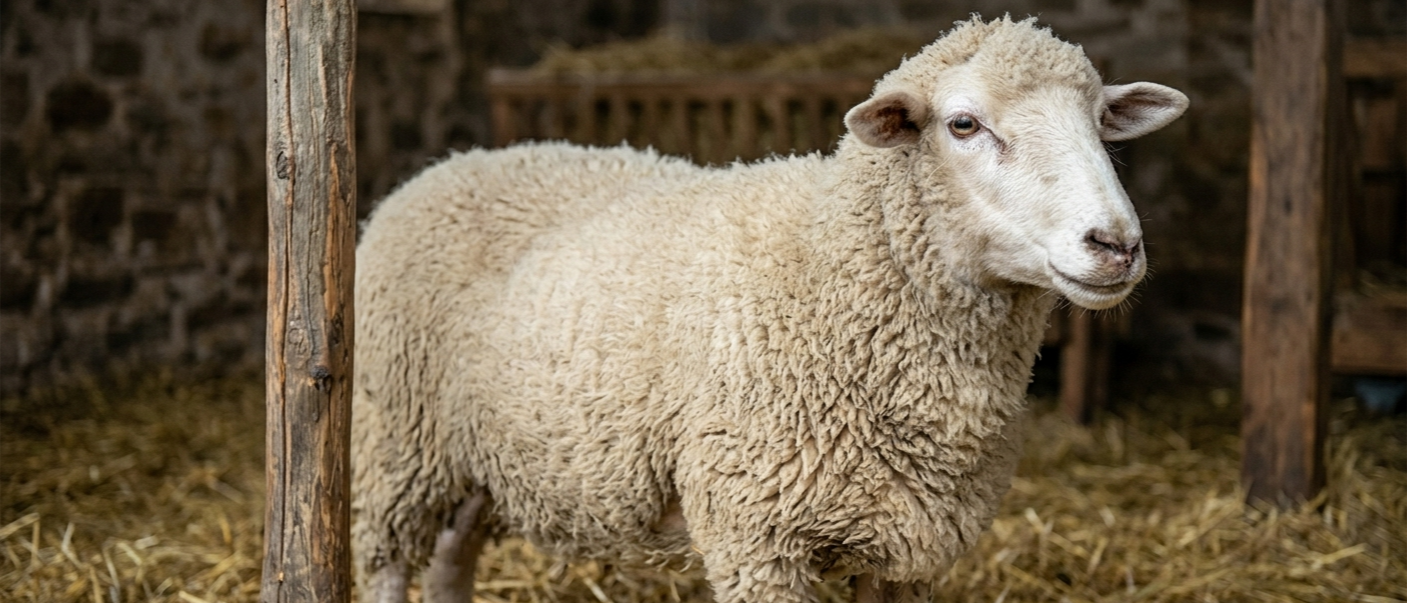
- Sheep: For sheep, the drug is used to alleviate pain associated with infections and inflammatory conditions, and to reduce fevers. It's useful in managing discomfort during conditions like foot rot or after surgical procedures like castration.
- Goats: Metamizole is used similarly to sheep for managing pain and fever. It can be particularly useful in treating conditions like caprine arthritis encephalitis (CAE), which causes joint pain, and in managing fever during systemic infections.
- Pigs: Metamizole in pigs is primarily used for its analgesic properties in managing post-operative pain or pain associated with injuries. It also helps in reducing fever in febrile conditions and can be used in the management of spasmodic abdominal pain.
It's used to reduce fever and treat moderate to severe pain such as:
- visceral pain (including colic)
- pain related to cancer
- post-surgical pain
- musculoskeletal pain
This drug is recommended for dogs, horses, and livestock like cows, horses, sheep, goats and pigs.
Metamizole inhibits central cyclooxygenase enzymes, reducing the production of pain-inducing prostaglandins. Its antispasmodic properties help in relieving muscle spasms, particularly useful in treating colic pain in animals. Metamizole's activation of the cannabinoid and opioidergic systems also enhances its analgesic effects.
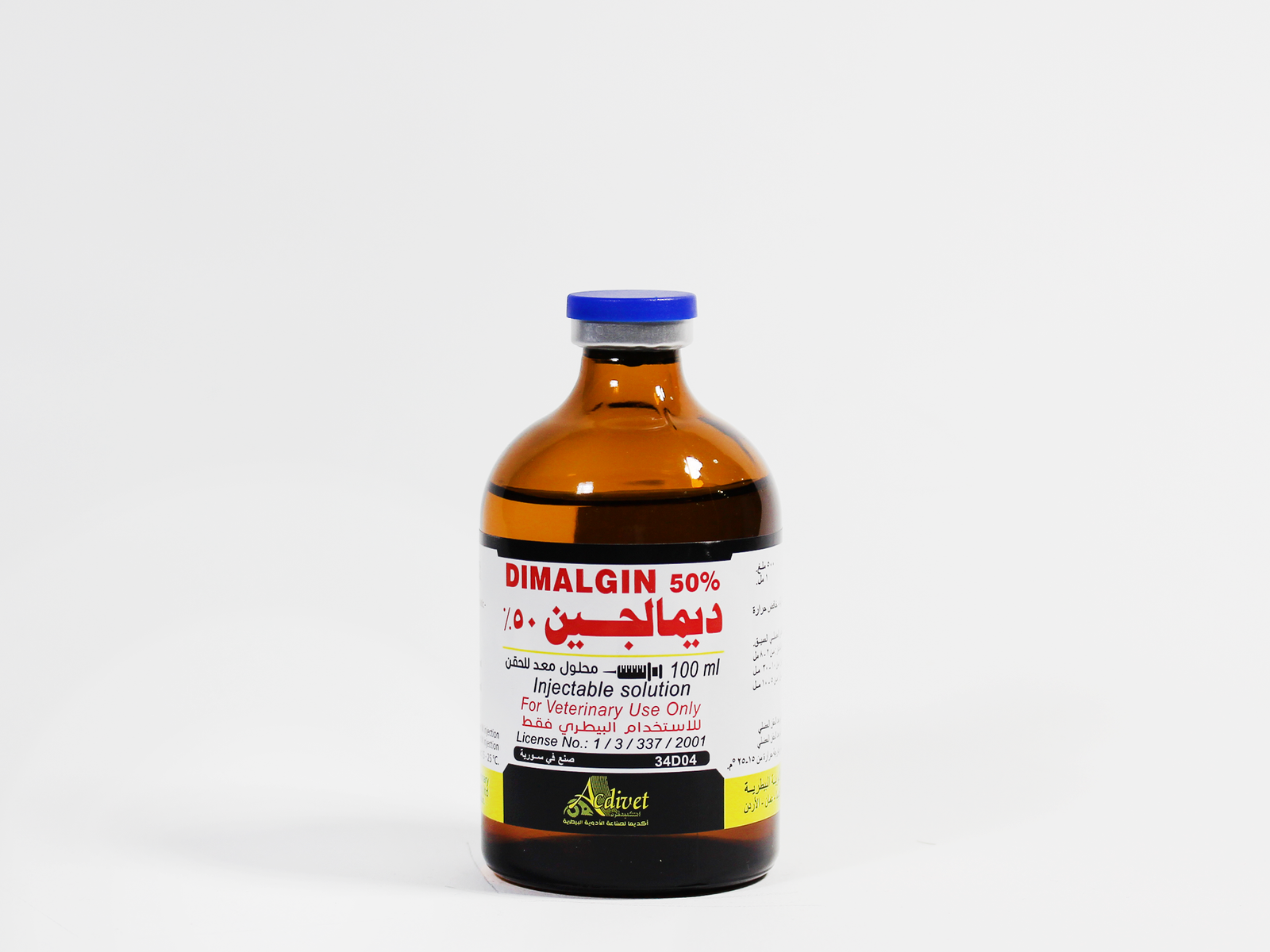
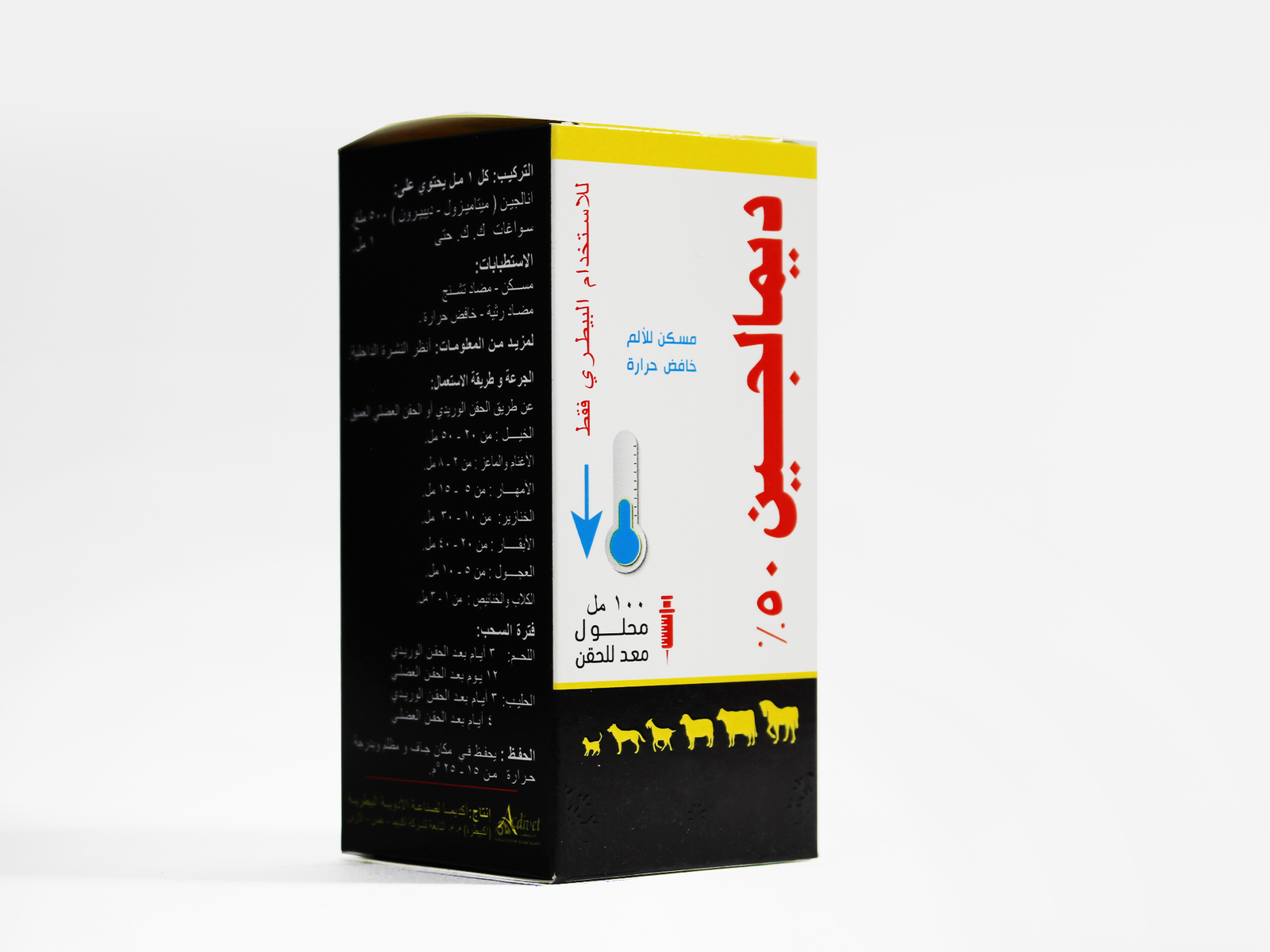
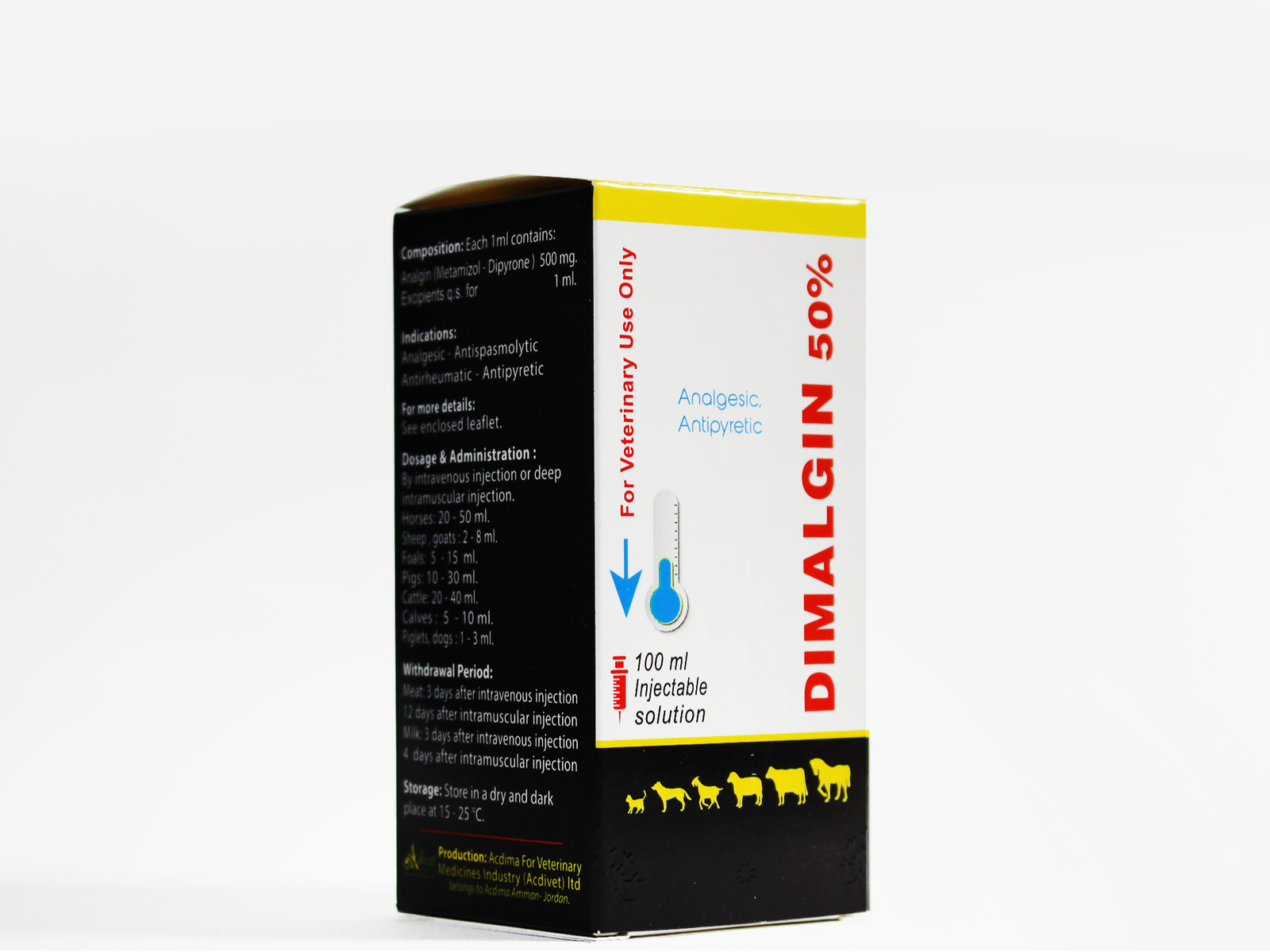
This medication has been manufactured as a liquid, which is packaged in a vial. It is intended to be administered by IM/IV injection. Metamizole (Dipyrone) Injection is intended for veterinary use only.
It may be given every 8-12 hours, but the exact regimen should be determined by a veterinarian. The frequency of administration depends on the condition being treated and the animal's response to therapy.
The withdrawal time is 5 days. This is the time required after the last administration of the medication before the animal can be safely slaughtered for food production, ensuring that no harmful residues remain in the meat. Milk from dairy animals treated with the drug should not be used for human consumption during the treatment and for a similar duration after the last dose.
Metamizole typically begins to take effect within 30 minutes to an hour after administration, but this can vary depending on the animal and the condition being treated.
Yes, the dosage might be adjusted within the recommended range (20-50mg/kg) based on the severity of the symptoms and the animal's overall health status. However, such adjustments should always be made under veterinary supervision.
It is generally reserved for moderate to severe pain and high fever due to its potent effects. For mild conditions, other medications may be more appropriate.
Yes, it can interact with several other drugs. Its use alongside other non-steroidal anti-inflammatory drugs (NSAIDs) or anticoagulants can increase the risk of adverse effects. It may also interfere with the efficacy of certain blood pressure medications and cyclosporine, a drug commonly used in immunosuppressive therapy.
Yes. Its efficacy in providing relief from moderate to severe pain, especially visceral pain, post-surgical pain, and pain associated with colic, attests to its potency as an analgesic. It is often a drug of choice in veterinary medicine for treating acute and intense pain in various animals.
This medication should be stored in a dark, dry location under 30°C. The vial should be sealed tightly. Always check the expiration date before use.
The usual dose is 20-50mg/kg, given at slow rate IV/IM. For horses only, use slow intravenous administration.
The typical dosage for dogs ranges from 20-50mg/kg. It can be administered either IV or IM, depending on the severity of the condition and the veterinarian's discretion.
Sheep and goats usually receive this drug at a dose of 20-50mg/kg. The route of administration can be either IV or IM, based on the clinical situation and the judgment of the veterinary professional.
For pigs, the recommended dosage is similar, at 20-50mg/kg, also through either IV or IM routes.
If an overdose is suspected, immediate veterinary attention is critical. Overdose can lead to symptoms like hypotension, gastrointestinal disturbances, or neurological signs. Treatment is generally supportive and symptomatic.
In geriatric or debilitated animals, it is important to start with the lower end of the dosage range (20mg/kg) and closely monitor for any adverse effects. Adjustments may be made based on the animal's response and tolerance to the drug.
Refer to a veterinary doctor or pharmacist for guidelines on dosage.
Similar Products