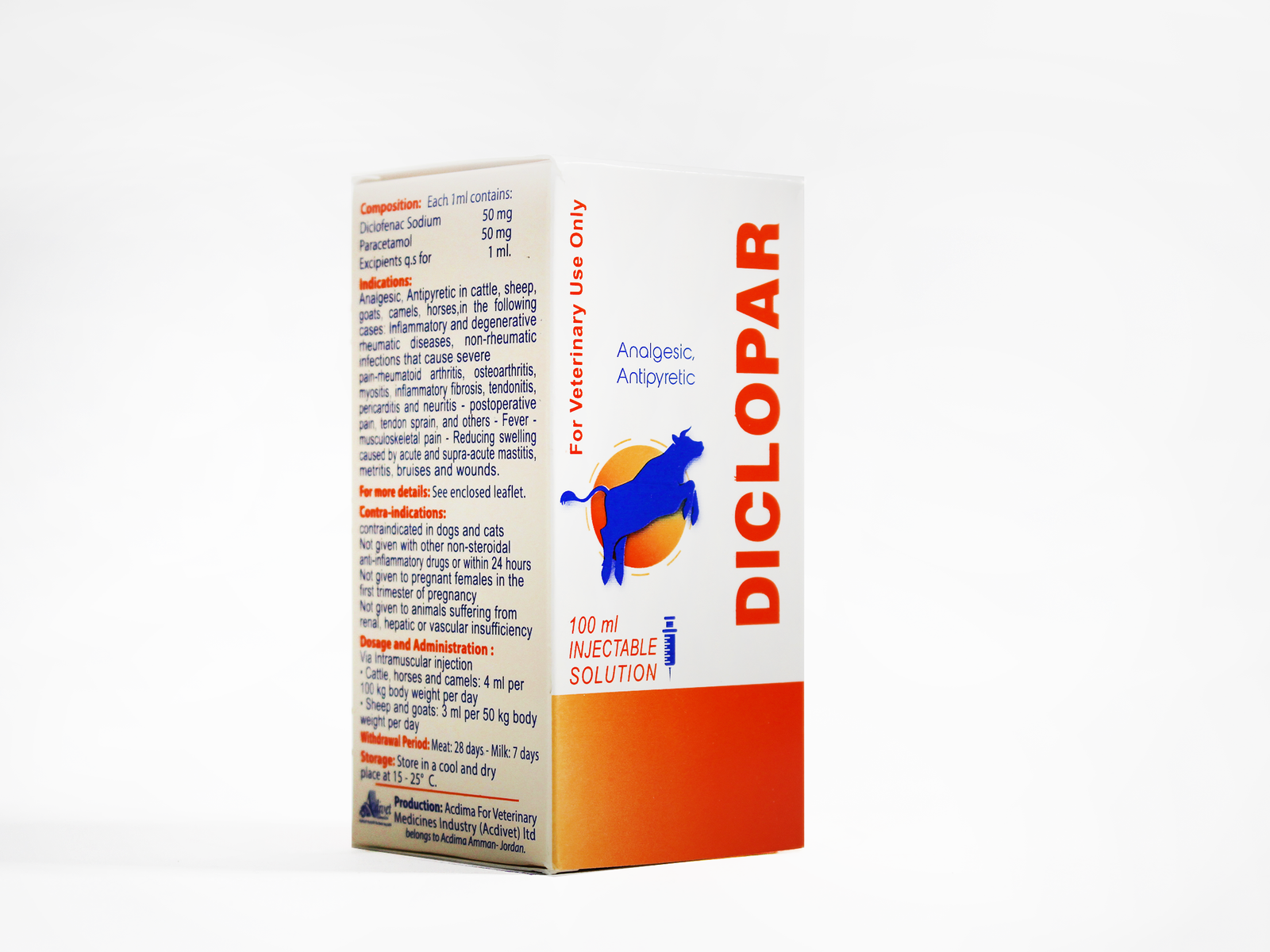
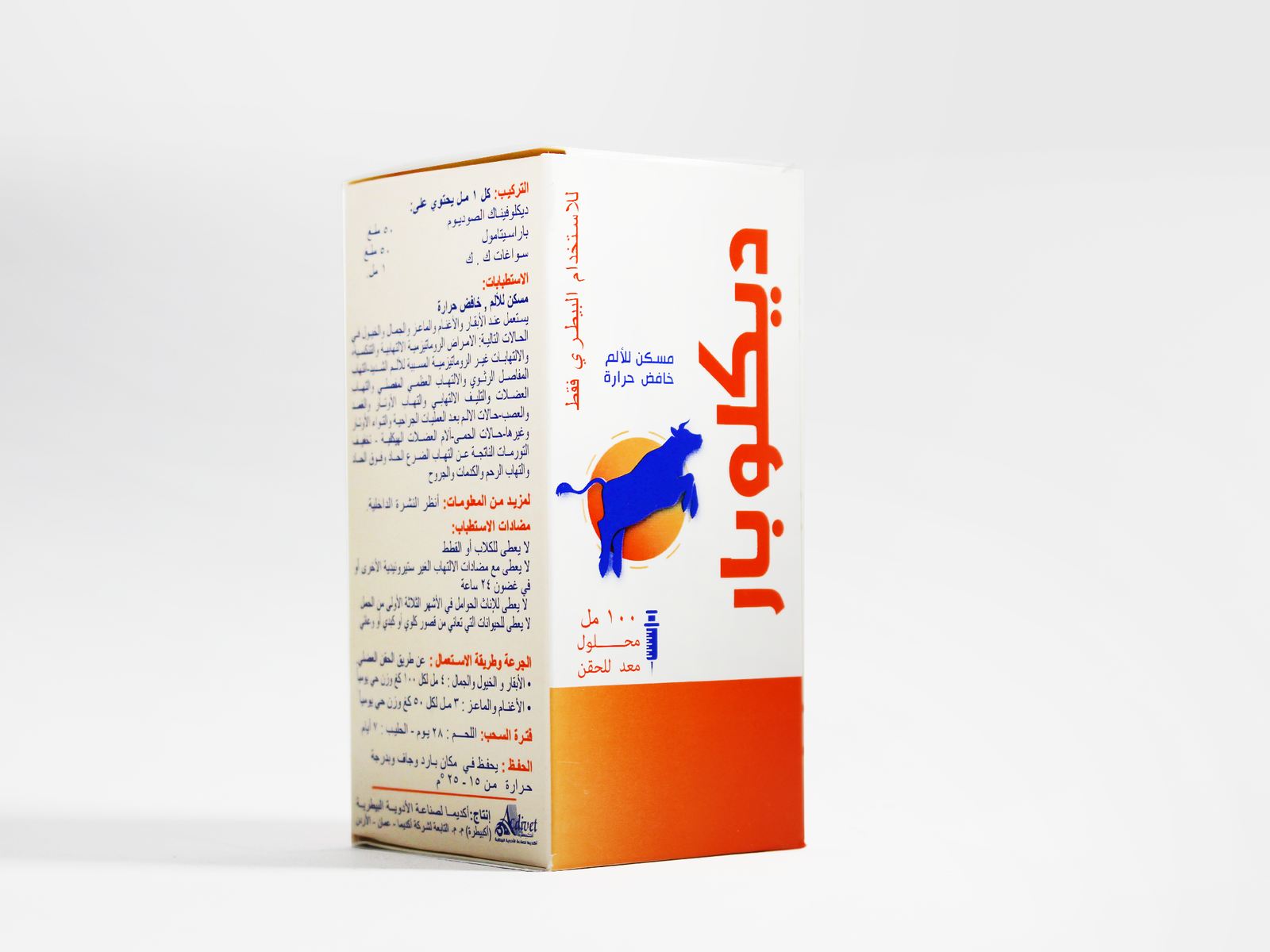
Paracetamol + Diclofenac Injection / Diclopar®
What is Diclopar?
|
Anti-inflammatory and Antipyretic
|
Therapeutic Class
|
|
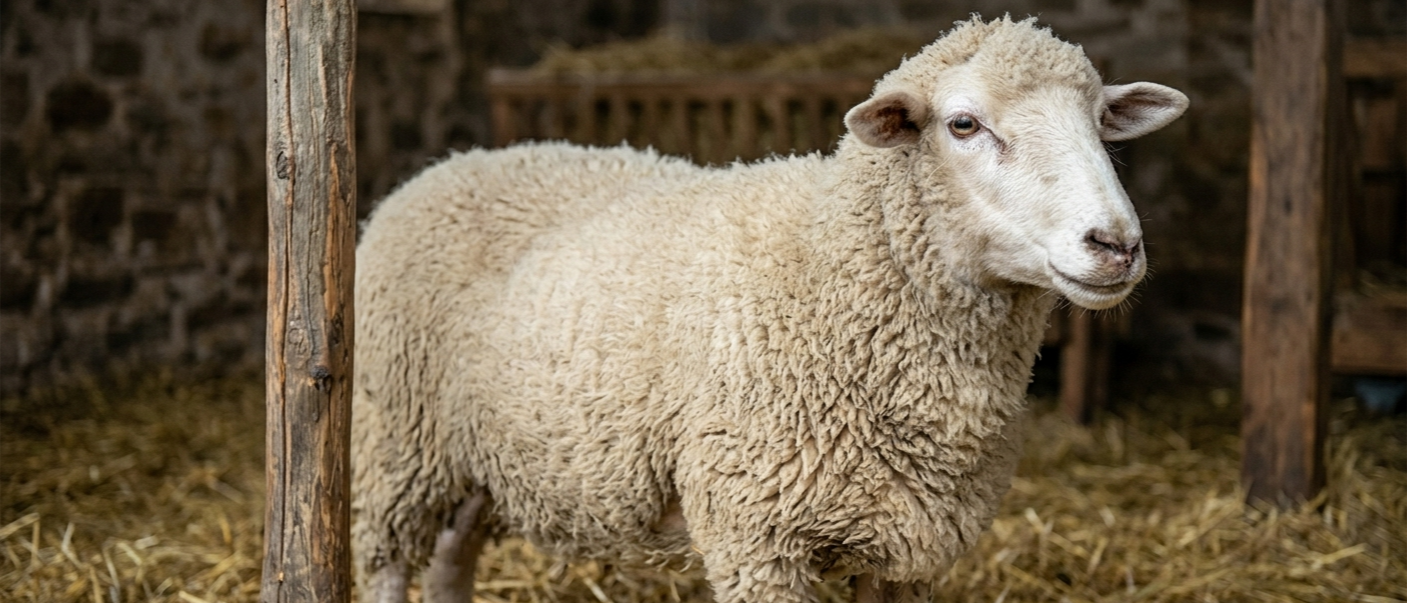
Cattle, Horses, Sheep, Goats, Camels
|
Target Species
|
|
50mg Diclofenac Sodium + 50mg Paracetamol
|
Active Ingredients
|
Paracetamol, Diclofenac Injection
Diclofenac sodium is a non-steroidal anti-inflammatory drug (NSAID). It is a phenylacetic acid derivative from the carboxylic acid group. It acts as an analgesic, antipyretic, and anti-inflammatory agent.
Paracetamol is a widely used analgesic and antipyretic that is generally well tolerated with minimal side effects. It is commonly used to treat fever, mild to moderate pain, and aches. Paracetamol is also beneficial in managing more severe pain when used in combination with non-steroidal anti-inflammatory drugs.
Indications :
Analgesic and antipyretic.
Used in cattle, sheep, goats, camels, and horses in cases of inflammatory and degenerative rheumatic diseases, as well as non-rheumatic inflammatory conditions causing severe pain, including rheumatoid arthritis, osteoarthritis, myositis, fibrositis, tendinitis, tenosynovitis, and neuritis, post-operative pain, tendon sprains, fever, musculoskeletal pain, and for reducing swelling associated with acute and peracute mastitis, metritis, bruises, and wounds.
Dosage and Administration :
Administer by intramuscular injection.
- Cattle, horses, and camels: 4 mL per 100 kg body weight daily
- Sheep and goats: 3 mL per 50 kg body weight daily
Precautions :
- Do not administer with other NSAIDs or within 24 hours of their use.
- Do not administer to pregnant females during the first three months of pregnancy.
- Do not administer to animals suffering from renal, hepatic, or cardiovascular insufficiency.
- Do not use in animals known to be hypersensitive to the product.
- Do not administer NSAIDs, corticosteroids, anticoagulants, or diuretics concurrently or within 24 hours of treatment, as the risk of gastrointestinal ulceration and other adverse reactions may increase.
- Concurrent use with diuretics or potentially nephrotoxic drugs should be avoided due to an increased risk of renal disorders, including renal failure, secondary to reduced blood flow caused by inhibition of prostaglandin synthesis.
Side Effects :
May cause colic in horses. Other adverse effects, particularly in cases of overdose, may include weight loss and gastric ulceration.