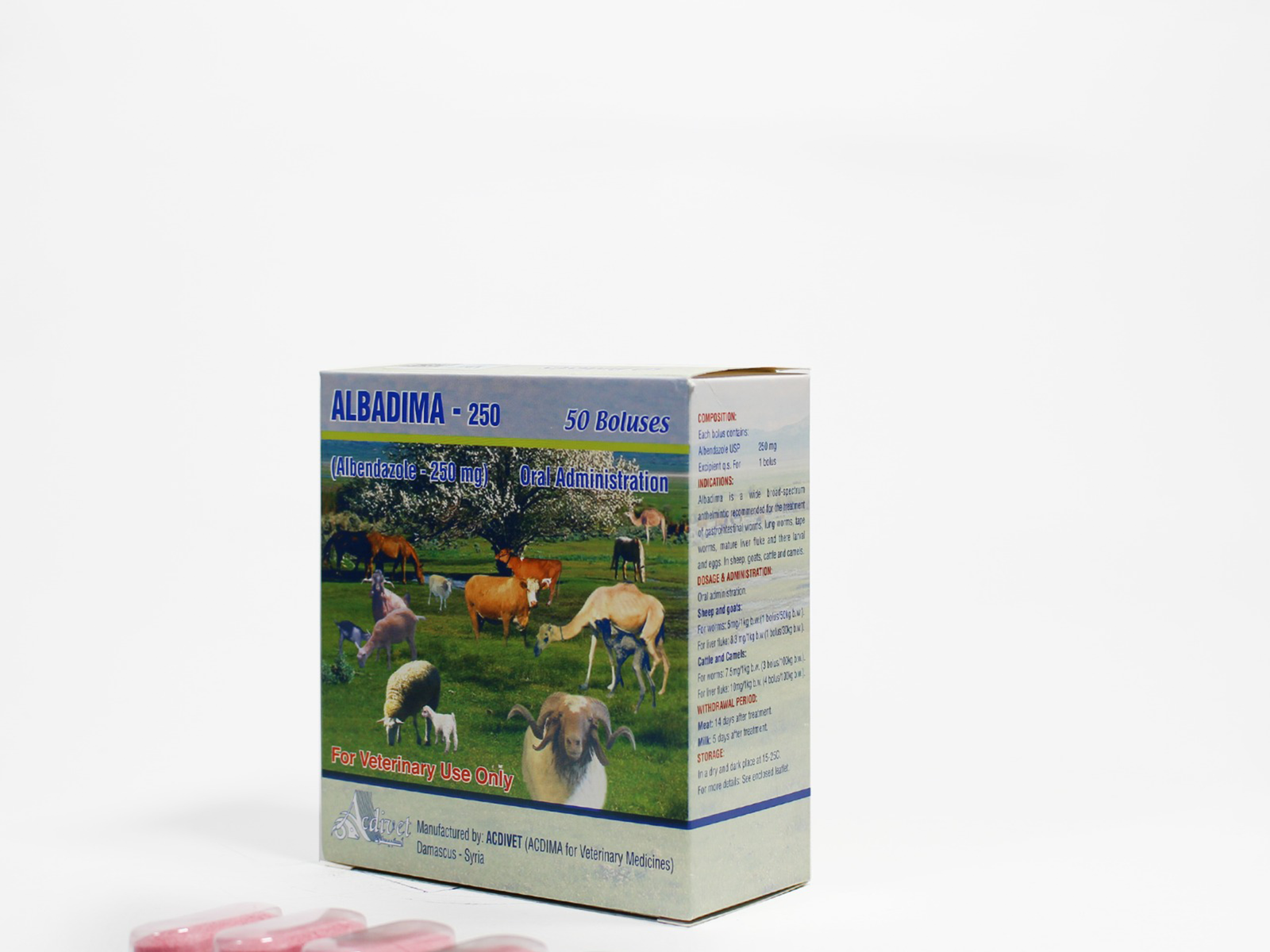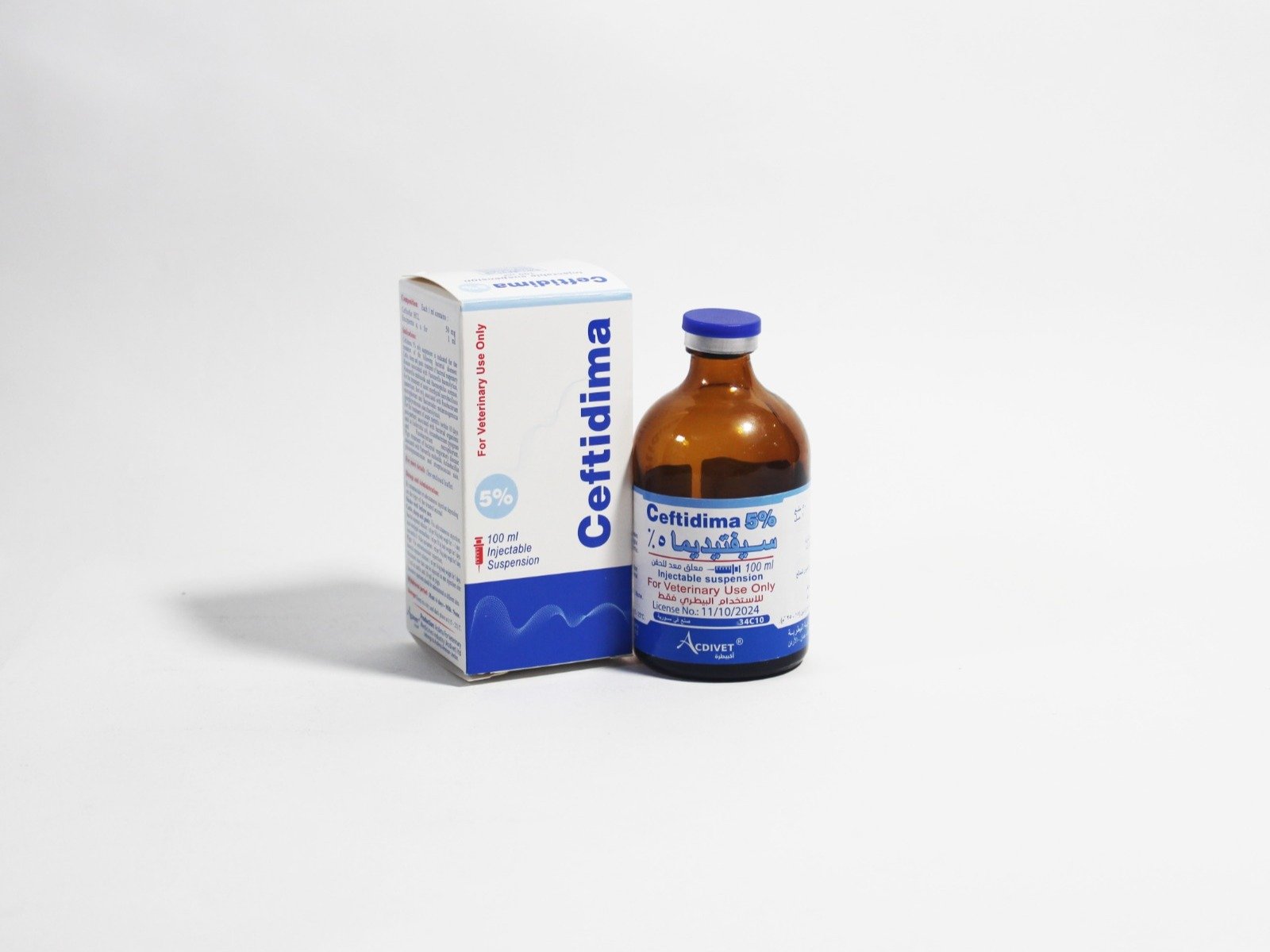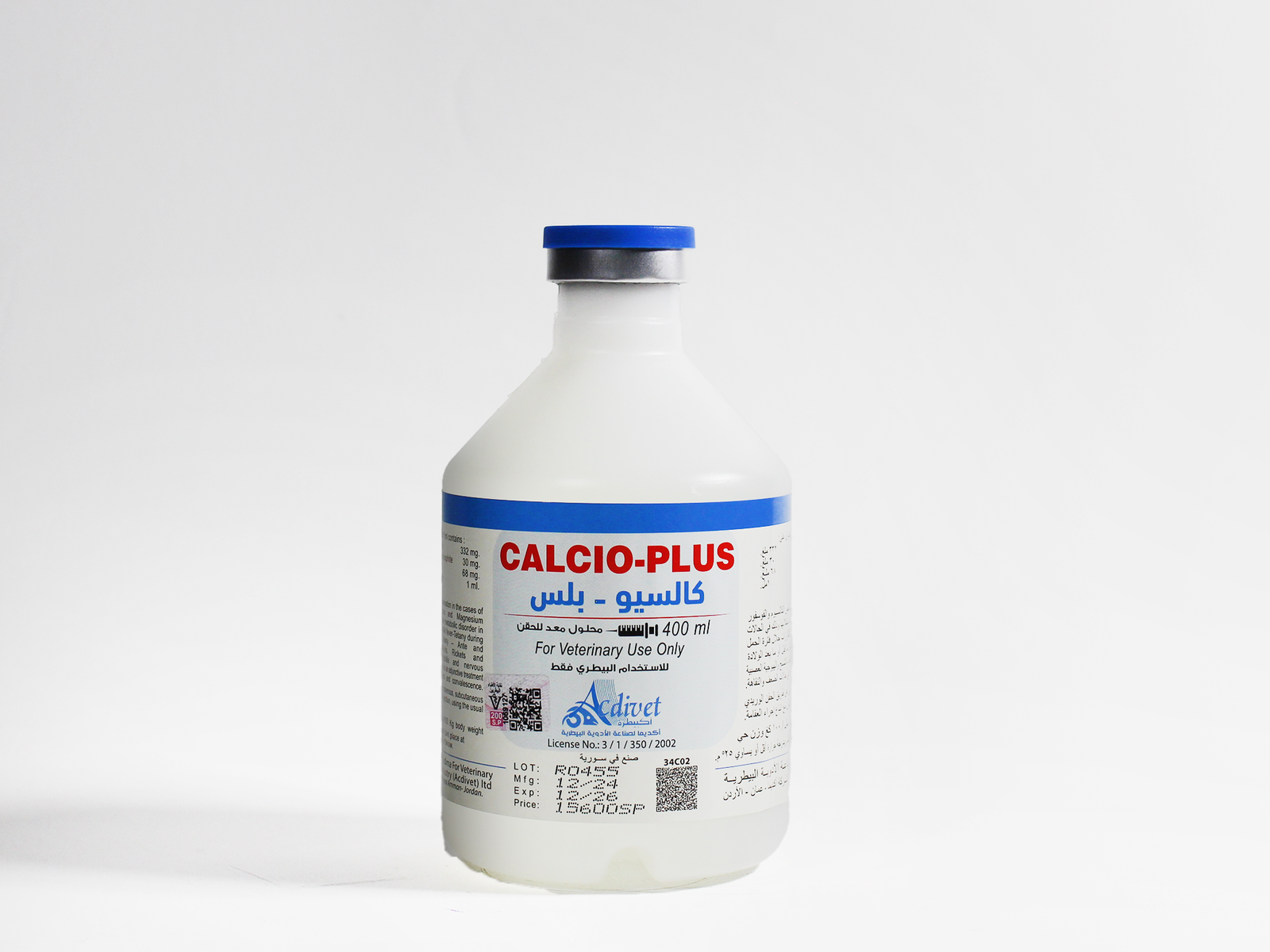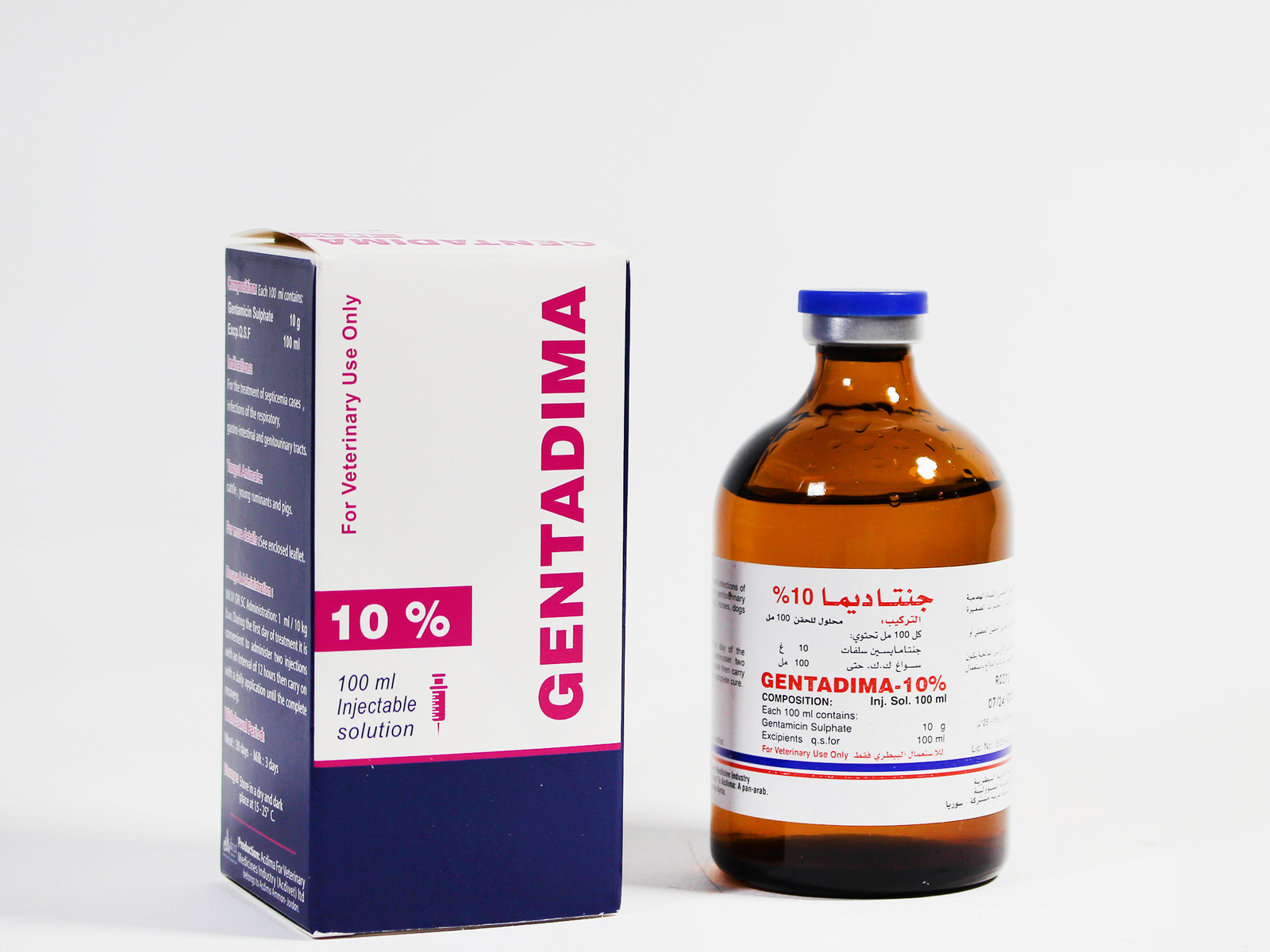

Ivermac-10 _50ml
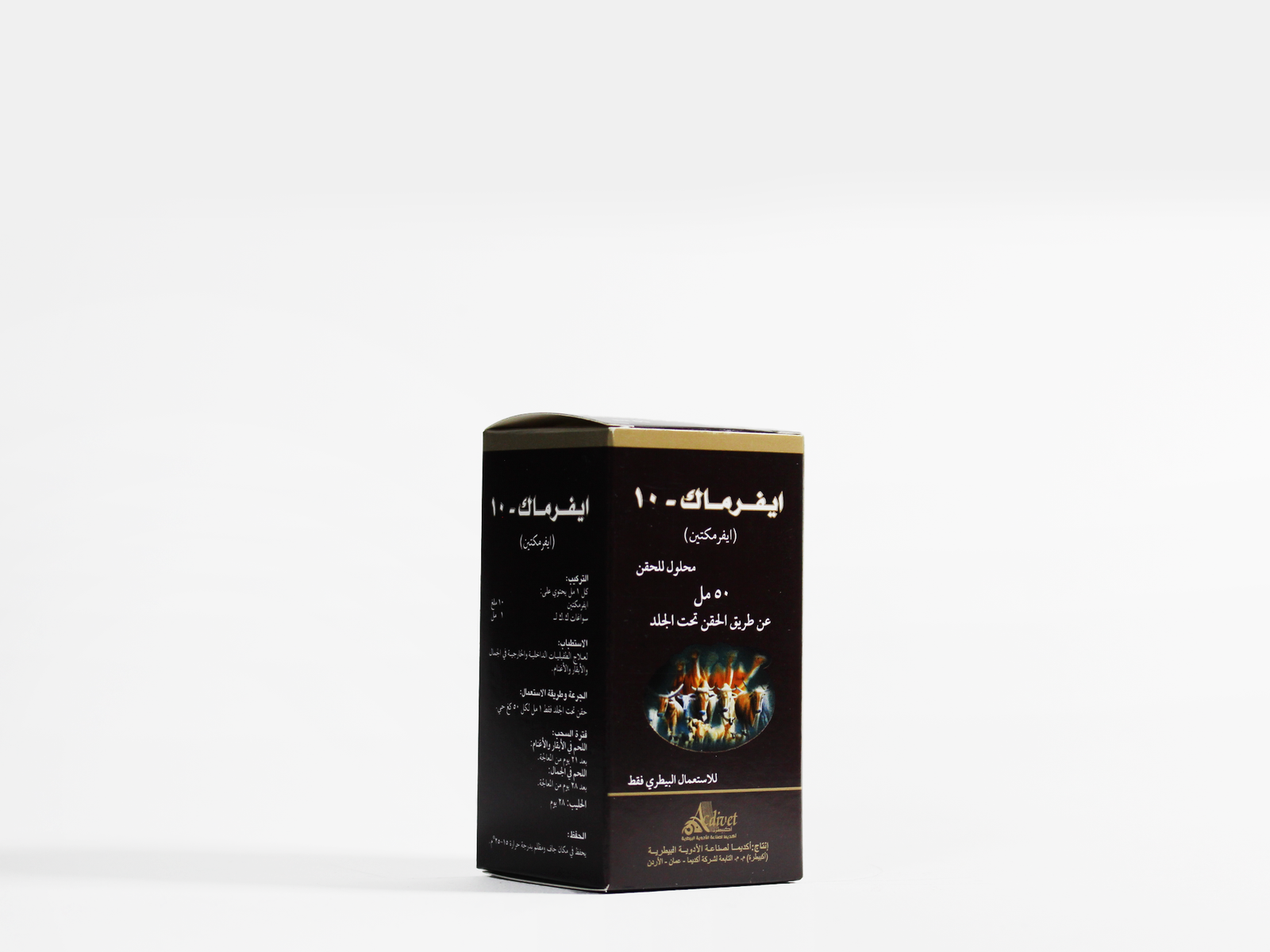
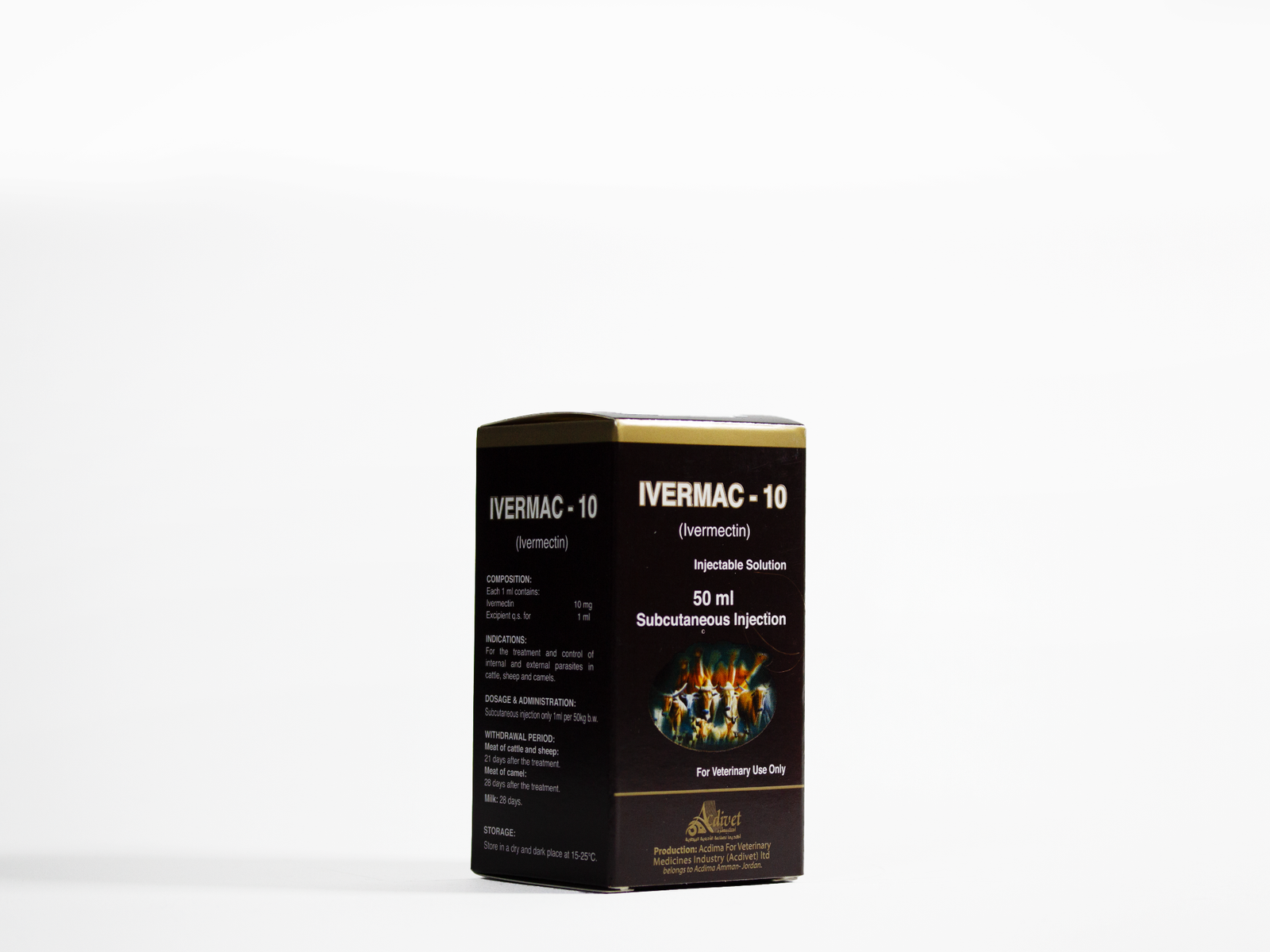
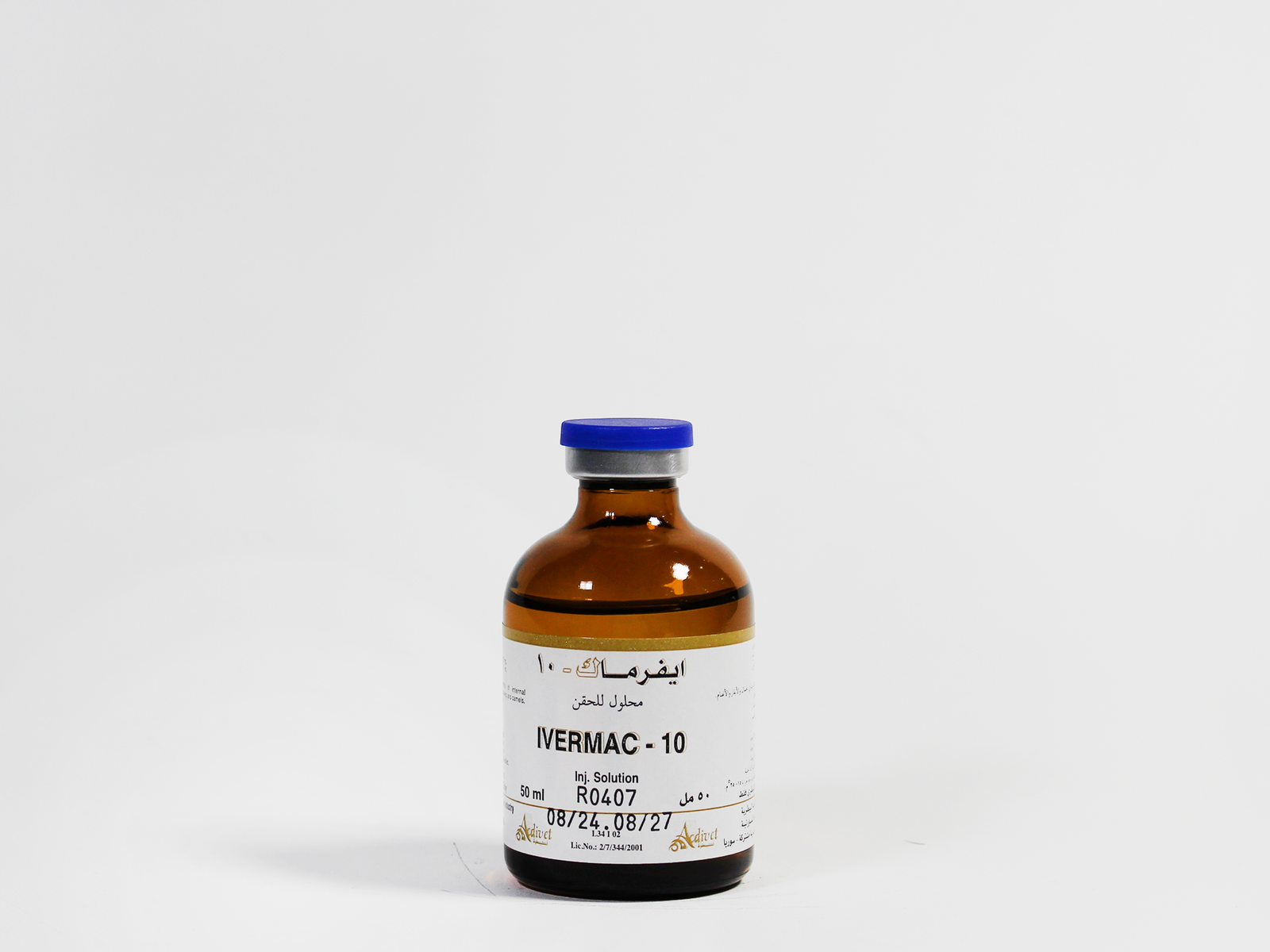
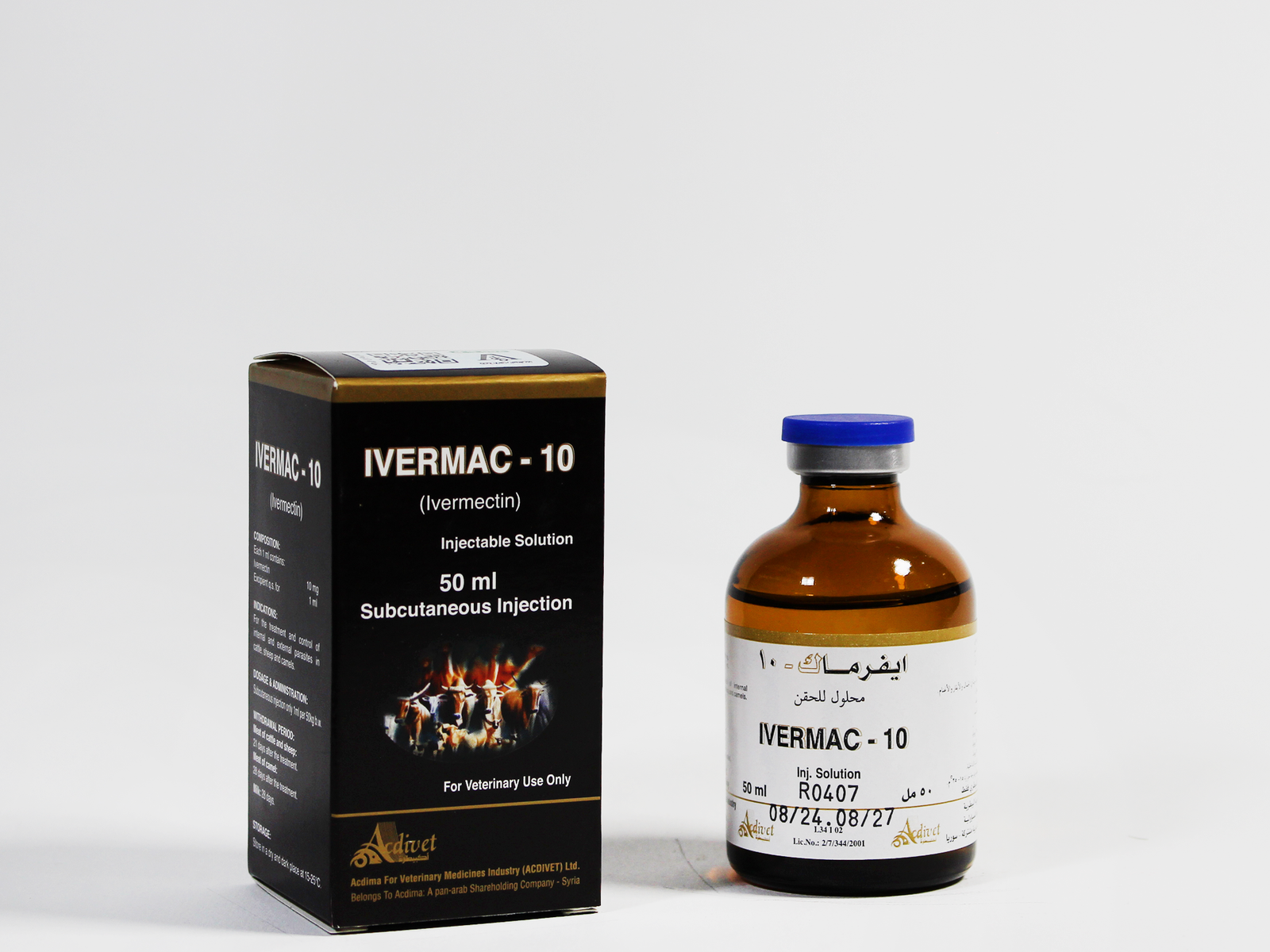
Ivermac-10 _50ml (Gentadoxyma)
Ivermectin Injection is an anthelmintic drug indicated for internal and external parasitic infestations in livestock.
Quick Info
Ivermectin is typically used by veterinary professionals in animals such as:
- Camels: Ivermectin Injection in camels is primarily used for the treatment and control of parasites, such as gastrointestinal roundworms, lungworms, and certain external parasites like mites and lice. It helps in maintaining the overall health of the camel by preventing parasitic infestations that can lead to malnutrition, weakness, and other health issues.
- Goats: In goats, Ivermectin is used to control internal parasites like stomach worms, lungworms, and certain external parasites. It plays a crucial role in managing parasitic infections, which are common in goats and can significantly affect their health and productivity, especially in terms of weight gain and milk production.
- Sheep: For sheep, Ivermectin is an effective treatment against a range of internal parasites, including gastrointestinal roundworms, lungworms, and nasal bots, as well as external parasites like mites and lice. Its use in sheep is vital for maintaining flock health, particularly in preventing conditions like worm burden and scab, which can be detrimental to wool quality and overall health.
- Pigs: In pigs, Ivermectin Injection is used to control gastrointestinal roundworms, lungworms, lice, and mange mites. It is particularly important in swine production for maintaining the health and growth of pigs, as parasitic infections can lead to poor growth rates, reduced feed efficiency, and in severe cases, mortality.
It's used to treat certain parasitic infections. It is indicated for the treatment of:
- pinworms (adults and 4th stage larva)
- ascarids (adults)
- hairworms (adults)
- large-mouth stomach worms (adults)
- neck threadworms (microfilaria)
- bots (oral and gastric stages)
- lungworms (adults and 4th stage larva)
- intestinal threadworms (adults)
- summer sores
- gastrointestinal roundworms (adults and 4th stage larva) in cattle or swine
- lungworms (adults and 4th stage larva) in cattle or swine
- cattle grubs (parasitic stages)
- sucking lice in cattle or swine (Haematopinus suis)
- mites in cattle or swine (Sarcoptes scabiei var. suis)
This drug is recommended for dogs and cats, as well as livestock animals such as camels, cows, goats, sheep, and pigs.
This medication has been manufactured as a liquid, which is packaged in a vial. It is intended to be administered by subcutaneous injection.
The withdrawal period is 28-42 days. Do not use this medicine for lactating dairy cows, as the withdrawal time is unknown.
While Ivermectin can sometimes be used with other medications, it is important to avoid drug interactions. Always inform the veterinarian about any other treatments the animal is receiving.
The drug works by interfering with the nervous system and muscle function of parasites. It enhances the release of a neurotransmitter that causes paralysis and death, thereby clearing parasites from the animal's body.
There is a potential for the development of resistance if the drug is used repeatedly or improperly. The drug should be used as part of an integrated parasite management program and rotated with other classes of dewormers.
Ivermectin may not be effective against all stages of parasites or all types of parasites. For example, it may not work against certain external parasites like ticks, or against certain flukes or tapeworms. A veterinarian can provide guidance on the appropriate use and limitations.
Ivermectin should be used with caution in certain breeds of dogs like Collies and other herding breeds, which are more sensitive to the drug due to a genetic mutation (MDR1 gene mutation) that affects drug transport across the blood-brain barrier. A veterinarian should perform genetic testing before administering the drug to these breeds.
This medication should be stored in a dark, dry location between 15-25°C. The vial should be sealed tightly.
For cattle, it is typically administered at a dosage of 200 micrograms per kilogram of body weight to control parasites such as gastrointestinal roundworms, lungworms, and lice.
Sheep and goats are usually given Ivermectin at a dose of 200mcg per kilogram of body weight to treat parasitic infections such as gastrointestinal roundworms, lungworms, and nasal bots.
In pigs, the usual dose for Ivermectin is 300mcg per kilogram of body weight, which helps in the control of gastrointestinal roundworms, lungworms, lice, and mange mites.
Yes, depending on the type of parasite and the animal's health status. The dose may be adjusted for treating external parasites like lice and mites compared to internal parasites.
Seek immediate veterinary attention. Symptoms of overdose may include lethargy, depression, vomiting, tremors, and seizures. Treatment is supportive and symptomatic, as there is no specific antidote for ivermectin toxicity.
Refer to a veterinary doctor or pharmacist for guidelines on dosage.