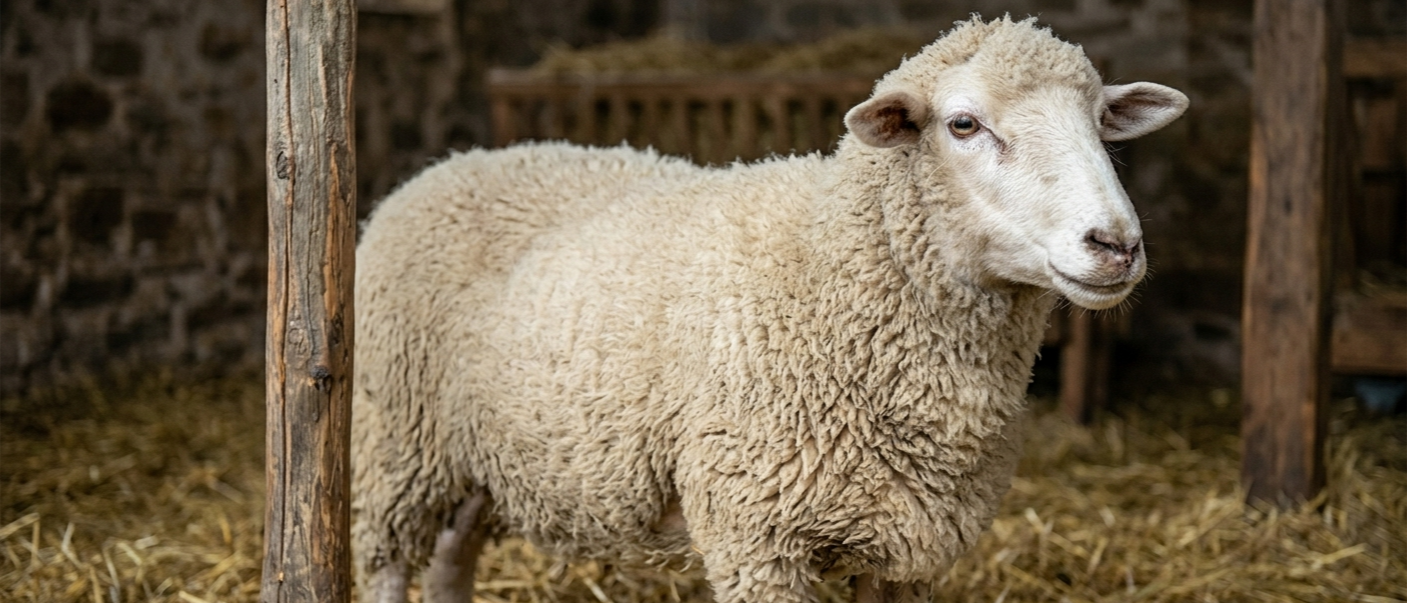




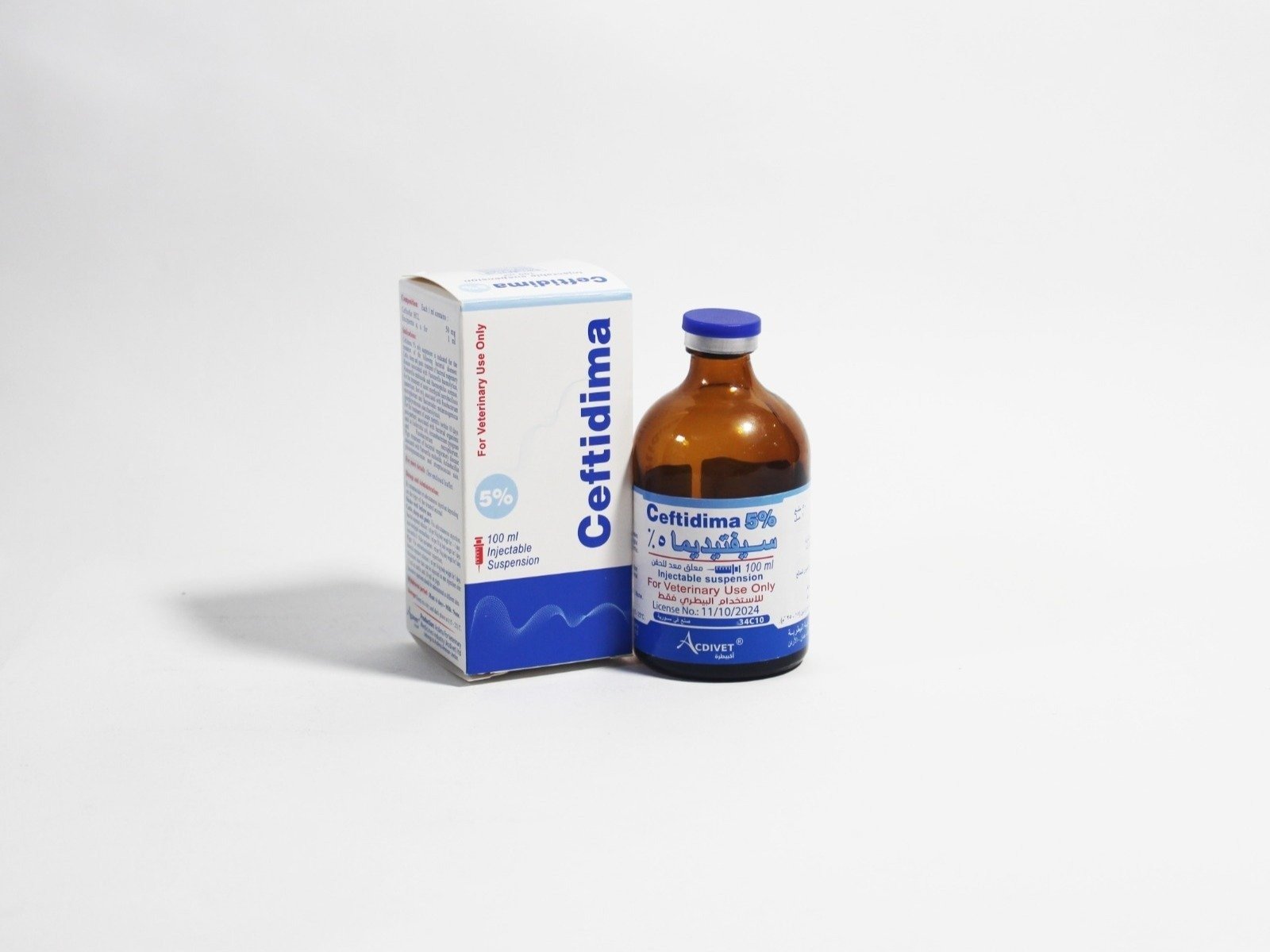
Ceftiofur HCl Suspension for Injection / Ceftidima®
What is Ceftiofur HCl?
|
Antibiotic
|
Therapeutic Class
|
|
Cow , Goat , Horse , Sheep , Pig
|
Target Species
|
|
50mg Ceftiofur Hydrochloride
|
Active Ingredients
|
Ceftiofur HCl
Ceftiofur HCl Suspension for Injection is an antibiotic drug used to treat certain infections in animals such as horses, cows, goats, sheep and pigs.
It is indicated for the treatment of infections like shipping fever, pneumonia, urinary tract infections, and bovine interdigital necrobacillosis.
Ceftiofur is a third-generation cephalosporin antibiotic, though some consider it a "new generation" cephalosporin ,and It works by inhibiting cell wall synthesis.
It shows bactericidal action against a wide range of gram-positive and gram-negative bacteria, including Mannheimia, Actinobacillus, Streptococcus, Salmonella, and E. coli.
Ceftiofur HCl Suspension for Injection should be prescribed by a veterinary doctor or animal carespecialist.
This product is not approved for human use.
Indications :
For the treatment of the following bacterial infections:
- Bacterial respiratory tract infections
- Acute interdigital necrosis
- Acute postpartum metritis
Dosage and Administration :
Administer by intramuscular or subcutaneous injection, depending on the animal species, Cattle, sheep, and goats administer by subcutaneous injection Shake well before use.
- Bacterial respiratory tract infections: 1 ml per 50 kg of body weight for 3-5 days.
- Acute interdigital necrosis: 1 ml per 50 kg of body weight for 3 days.
- Acute metritis (metritis) 0-10 days postpartum: 1 ml per 50 kg of body weight for 5 days.
- Bacterial respiratory tract infections: 1 ml per 16 kg of body weight for 3 days.
- Pigs: Administer by intramuscular injection.
The maximum dose per injection site is 15 ml in cattle and 10 ml in pigs.
Successive injections should be given at different injection sites.
Side Effects :
As with all pharmaceuticals, some unwanted effects can occur from the use of Ceftiofur HCl Suspension for Injection.
Some common side effects may include but are not limited to:
- gastrointestinal effects (appetite loss, vomiting, diarrhea)
- discoloration at the injection site (in pigs and cows)
- pain when delivered intramuscularly
Serious effects may include allergic reactions and anaphylaxis, If given in high doses, horses may experience diarrhea, and it has been reported that high doses may cause bone marrow suppression.
For a comprehensive list of all possible side effects of this medication, consult a veterinarian.