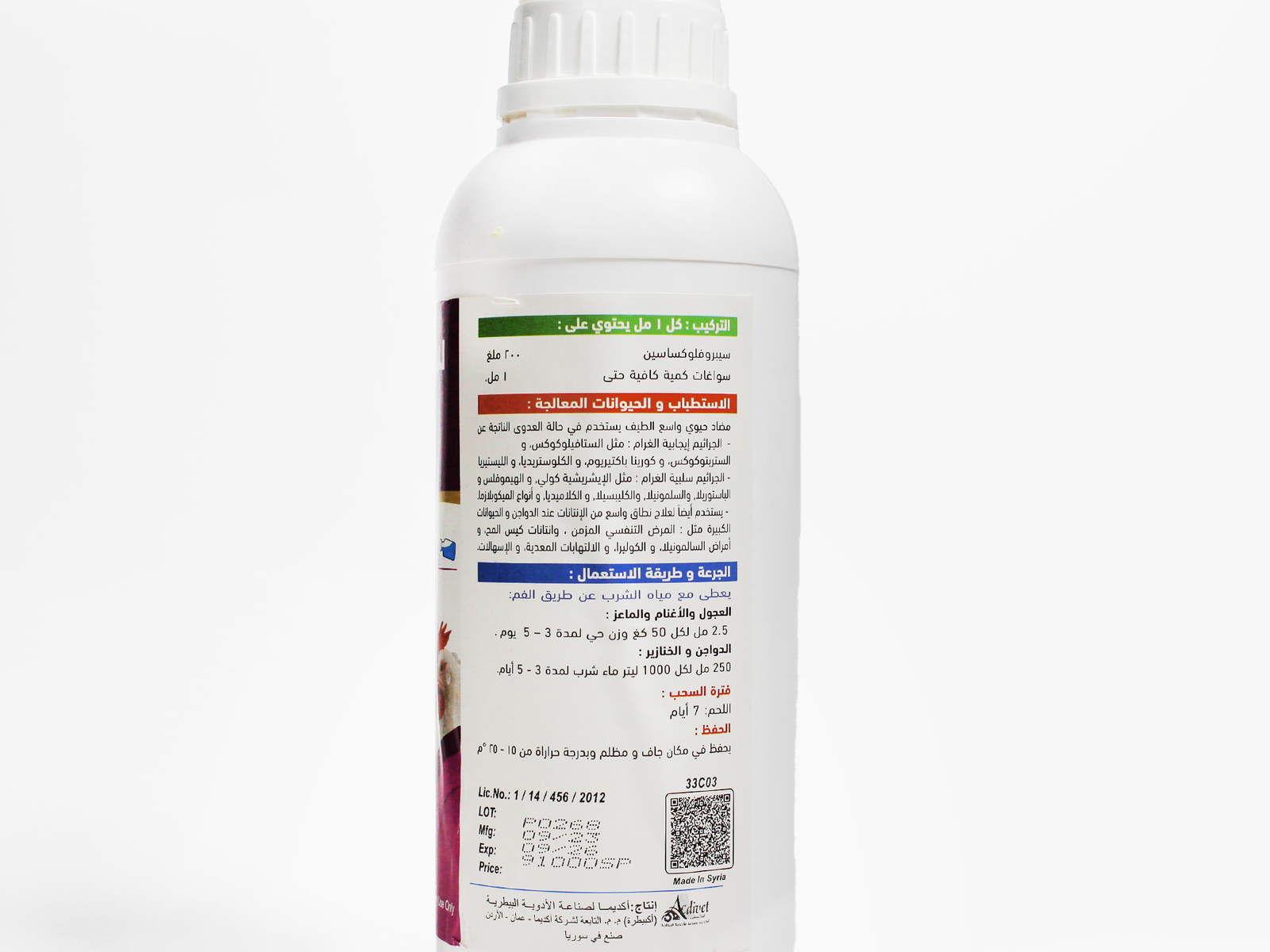
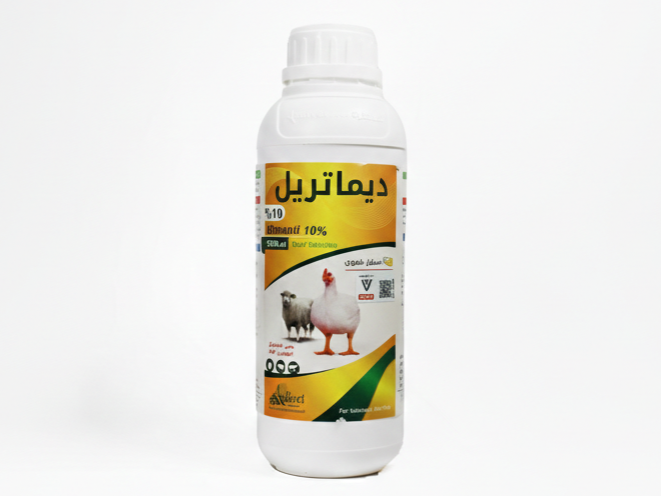
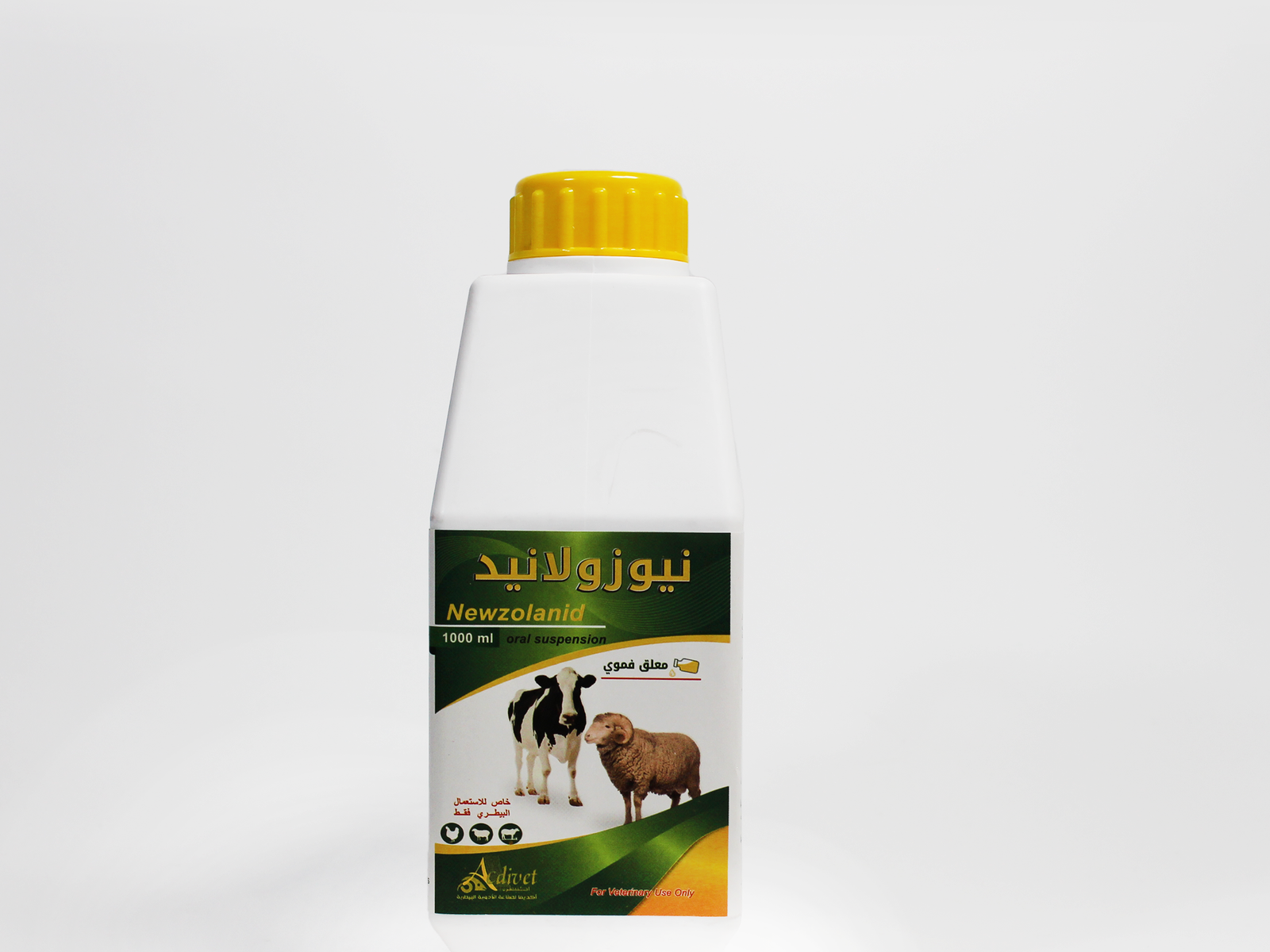
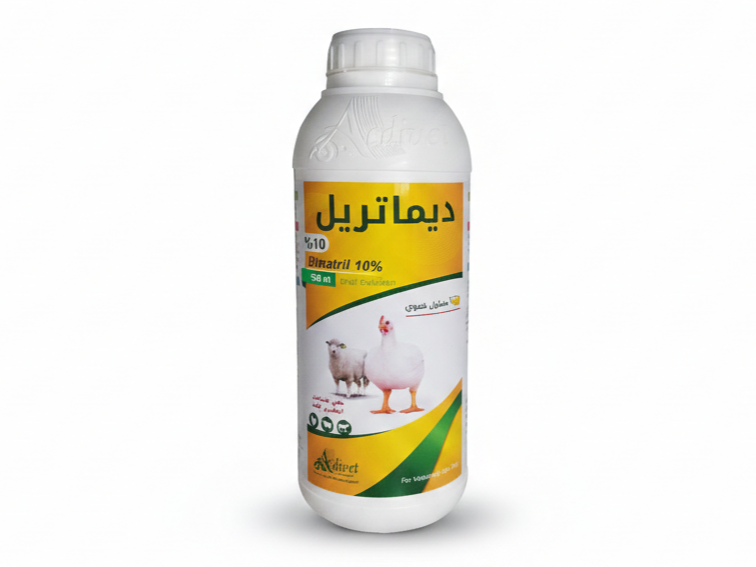
Ciprofloxacin Oral Solution/ Ciprodima 10% ®
What is Ciprofloxacin?
|
Antibiotic
|
Therapeutic Class
|
|
Cat, Cow, Dog, Goat, Pig, Poultry, Sheep
|
Target Species
|
|
100mg Ciprofloxacin
|
Active Ingredients
|
Ciprofloxacin 10%
Ciprofloxacin Oral Solution is a fast-acting antibiotic drug used to treat infections in dogs, cats, poultry, and livestock like cows, goats, sheep, and pigs. It is commonly used to treat infections of the urinary tract, skin, or respiratory system. Ciprofloxacin is effective for gram-negative and gram-positive bacteria.
Ciprofloxacin is a fluoroquinolone antibiotic. It works by interfering with the enzymes responsible for DNA replication, which stops protein synthesis. Ciprofloxacin displays bactericidal activity against a broad spectrum of microorganisms, including Pseudomonas aeruginosa, Klebsiella, E. coli, Enterobacter Salmonella, and Proteus.
As a synthetic antimicrobial derived from Quinolone carboxylic acid, ciprofloxacin is employed for controlling intestinal infections in production animals. Quinolones, including ciprofloxacin, possess amphoteric properties and generally exhibit low water solubility within the pH range of 6–8. While the full impact on therapeutic efficacy is not entirely understood, these drugs function as weak bases, showing reduced effectiveness in acidic urine pH compared to non acidic conditions. In concentrated acidic urine, some quinolones may form needle-shaped crystals. Typically, quinolones intended for oral or parenteral administration include freely soluble salts in stable aqueous solutions. The primary method of administering Ciprofloxacin is orally, with a bioavailability exceeding 80%; however, in cattle, it ranges from 0-20%. Administration after food consumption may affect drug efficacy.
Regarding distribution, ciprofloxacin demonstrates excellent penetration of all tissues due to its high lipid solubility, with tissue concentrations consistently surpassing plasma concentrations. Elevated concentrations are observed in elimination organs like the kidneys, liver, and bile. Ciprofloxacin can also be detected in prostatic fluid, bone, ocular fluid, endometrium, and cerebrospinal fluid. The drug crosses the placental barrier.
Ciprofloxacin is primarily eliminated unchanged or partially metabolized, with renal excretion through glomerular or tubular secretion. Urine concentrations remain high 24 hours after the last administration.
The medication's activity is attributed to DNA gyrase inhibition, preventing DNA supercoiling. Notably, ciprofloxacin's efficacy is concentration-dependent, and a once-per-day treatment regimen is sufficient.
It is important to note that this drug is for veterinary purposes only. Ciprofloxacin Oral Solution should be prescribed by a veterinary doctor or animal care specialist for an animal.
Indications :
A broad-spectrum antibiotic used for treating infections caused by:
– Gram-positive bacteria:
Such as Staphylococcus, Streptococcus, Corynebacterium, Clostridia, and Listeria.
– Gram-negative bacteria:
Such as Escherichia coli, Haemophilus, Pasteurella, Salmonella, Klebsiella, Chlamydia, and various types of Mycoplasma.
It is also used to treat a wide range of infections in poultry and large animals, including:
CRD (Chronic Respiratory Disease), yolk sac infections, salmonellosis, cholera, infectious diseases, and diarrhea.
Dosage and Administration :
Oral use via drinking water
Calves, sheep, and goats:
5 ml per 50 kg of body weight for 3–5 days.
Poultry and pigs:
500 ml per 1,000 liters of drinking water for 3–5 days.
Precautions :
Do NOT use Ciprofloxacin Oral Solution for an animal that:
- has a known allergy or hypersensitivity to any of the ingredients.
- is young and still growing, as ciprofloxacin may cause cartilage abnormalities.
Treatment with this drug should be administered with caution if an animal:
- is dehydrated.
- has hepatic or renal insufficiencies.
- is pregnant or lactating.
There are known interactions between ciprofloxacin and other drugs, including antacids, sucralfate, cyclosporine, iron/zinc, methotrexate, quinidine, and theophylline.
This drug should not be used with dairy products because the efficacy will be reduced.
If the animal has recently been treated with other antimicrobial drugs, it shows reduced efficacy.
DO NOT use this drug with cimetidine, cyclosporine, or theophylline.
The effectiveness of this drug in monogastric animals can be diminished by the presence of food. The bioavailability may also be reduced through chelation when administered concurrently with antacids containing magnesium and calcium.
Lower doses are recommended for animals with kidney failure, as the primary elimination route for the drug is through urine.
Wearing gloves is advisable when handling this product, as it can cause irritation to the eyes and skin. In case of contact with eyes or skin, immediate washing is recommended.
It is essential to keep this product out of reach of both children and animals.
Side Effects :
As with all pharmaceuticals, some unwanted effects can occur from the use of Ciprofloxacin Oral Solution.
Some common side effects may include but are not limited to: • gastrointestinal effects (appetite loss, vomiting, diarrhea)
If you notice any of these side effects, contact a veterinarian as soon as possible.
Short-term usage of Ciprofloxacin can also lead to some adverse effects. However, potential serious side effects may include allergic or hypersensitivity reactions. The most common side effects related to hypersensitivity are skin rash, fever, facial swelling, or difficulty breathing. Additionally, common side effects encompass vomiting, diarrhea, and the risk of potentially fatal antimicrobial-induced colitis.
Acute retinal degeneration is observed in cats, with the manifestation of concentration-dependent risks heightened, especially in the presence of renal disease. This is manifested in vision changes in cats, and it is a serious side effect.
Neurotoxicity is another adverse effect of this antibiotic and it is due to the gamma-aminobutyric acid (GABA) receptor antagonism. Antimicrobial-induced colitis and hemolytic anemia can also be detected in some cases.
This antibiotic is not recommended for pregnant animals because it can lead to embryonic loss and maternal toxicity. High doses in companion animals can lead to cartilaginous erosions and permanent lameness.
For a comprehensive list of all possible side effects of this medication, consult a veterinarian.