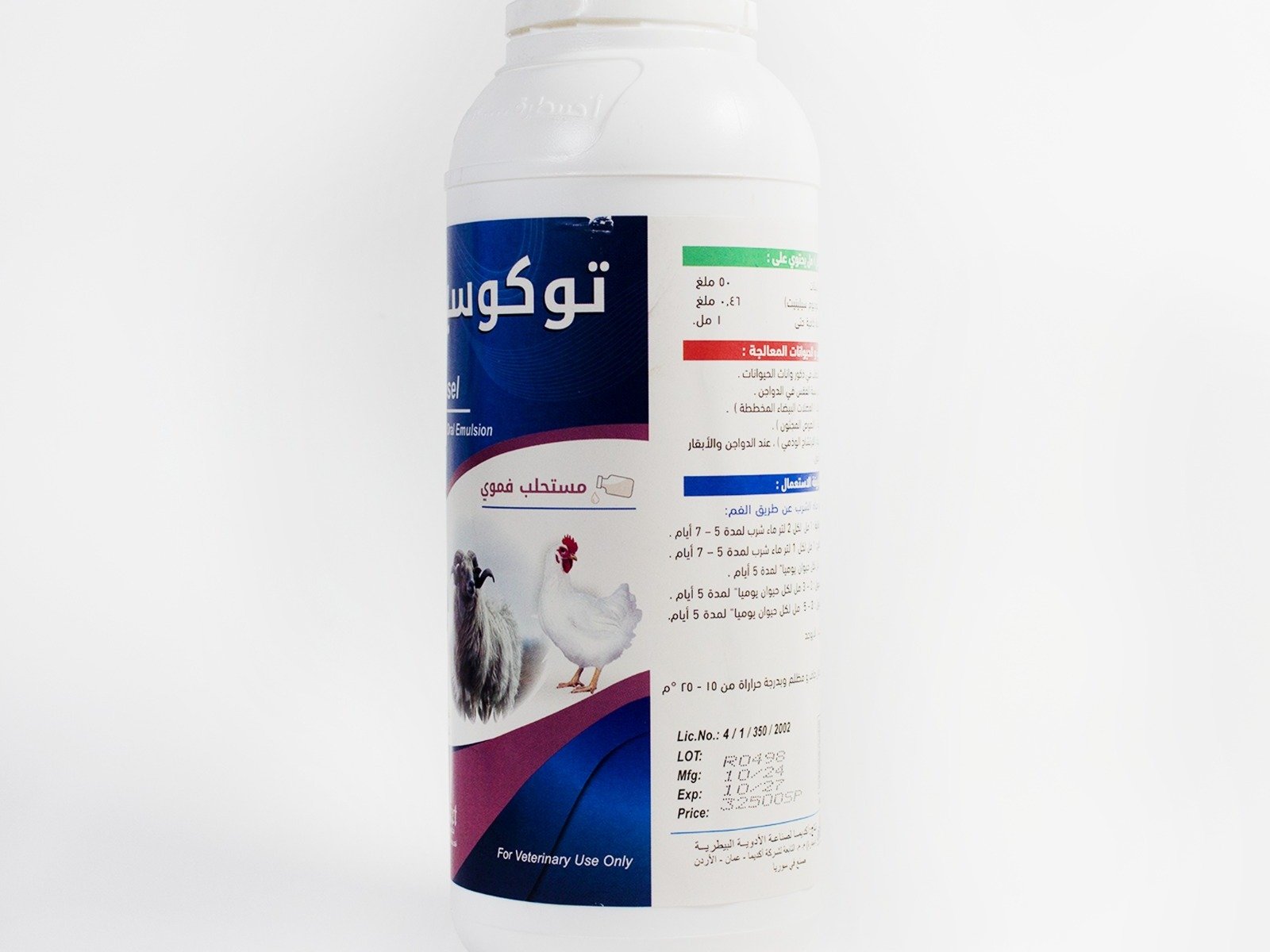
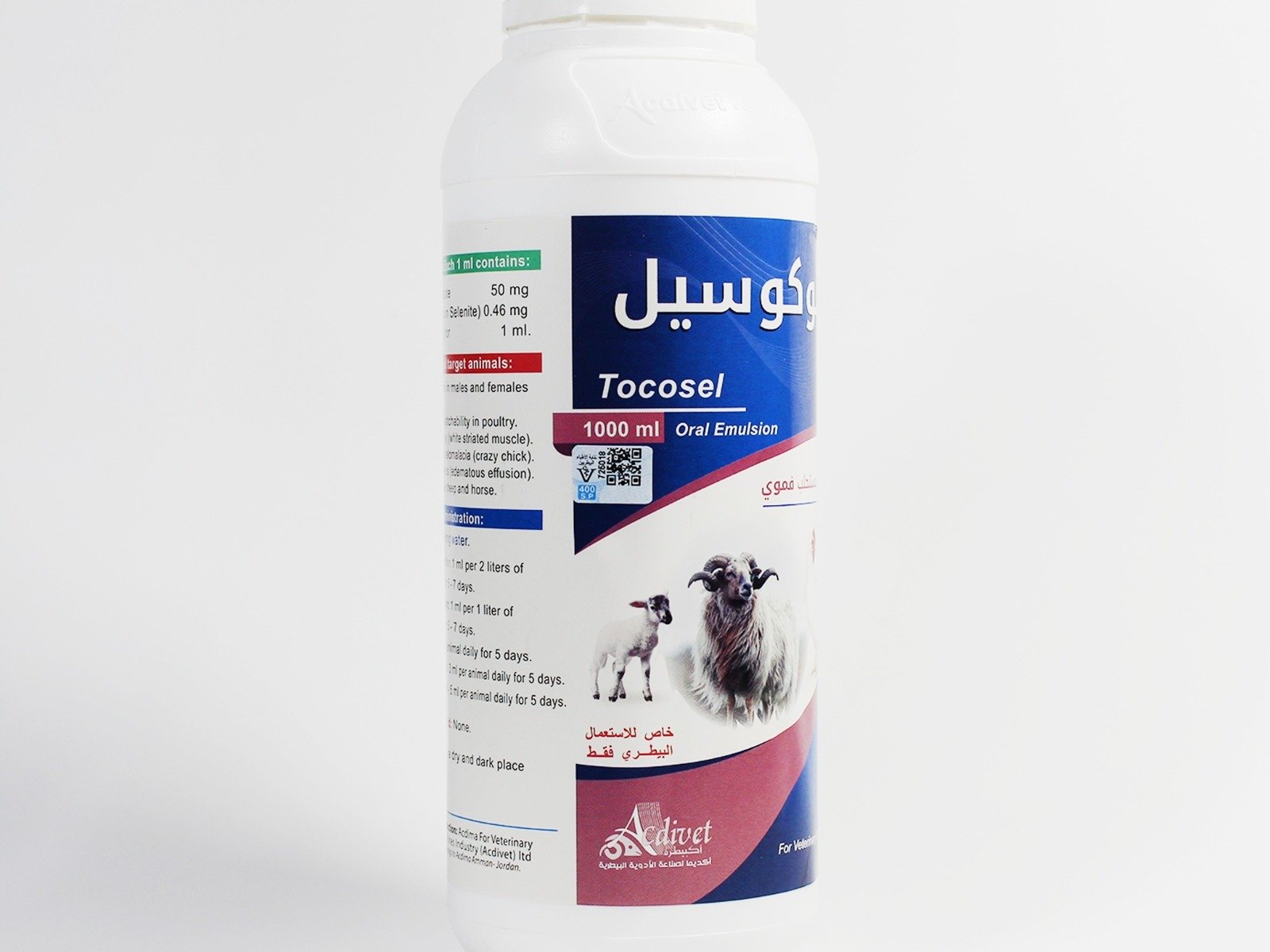
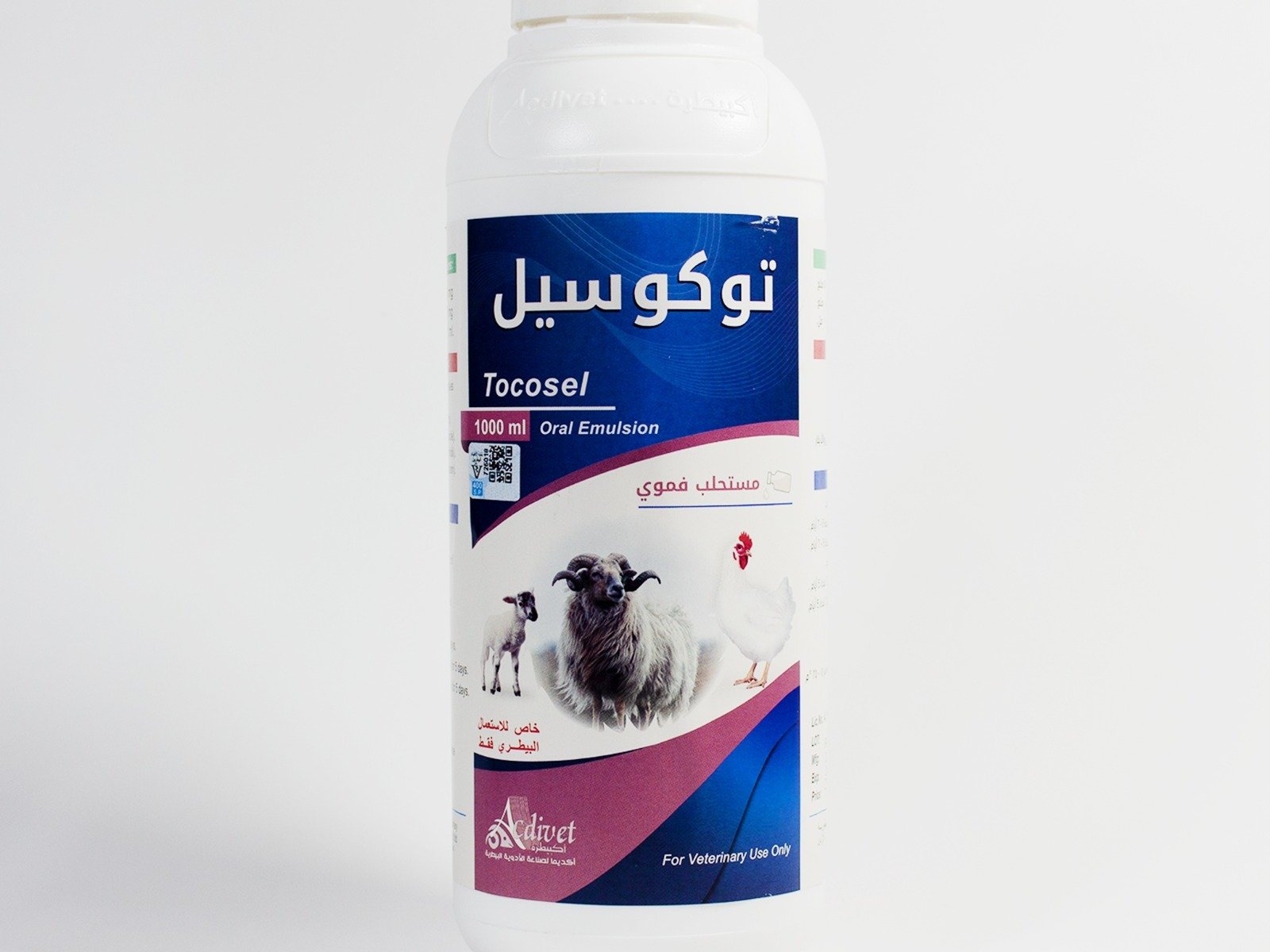
Tocosel


Vitamin E + Selenium Oral Solution is a dietary supplement for veterinary use

0$

Vitamin E + Selenium Oral Solution

Tocosel®

Vitamin E + Selenium Oral Solution is a dietary supplement for veterinary use

What is Vitamin E + Selenium?

Therapeutic Class:

Target Species:

Active Ingredients: Vitamin E, Selenium

Vitamin E and Selenium Oral Solution is a nutritional supplement for animals such as cows, goats, sheep, poultry, and pigs. It is indicated for the treatment of fertility problems, such as low fertilization rate and poor hatchability. High levels of vitamin E also improve the stability of meat products during processing and storage.

Vitamin E and selenium are especially important for improving immune response in young birds. In lactating animals, vitamin E and selenium also contribute to udder health and help reduce the rate of mastitis.

Vitamin E and selenium are essential components of metabolism and other bodily functions. When combined, they display powerful antioxidative action, as well. These active ingredients have a therapeutic effect and provide animals with essential nutrients that are lacking in their diets. This helps prevent nutrient deficiencies, which can additionally lead to serious health issues due to a weak immune system. Vitamins and minerals support cellular and tissue repair and promote optimal metabolism function.

Vitamin E is an essential, nontoxic, fat-soluble micronutrient that has positive effects on livestock performance and products due to its antioxidant and non antioxidant properties. It is needed in small quantities, and even in small quantities, it can boost the performance, nutritional qualities, and yield of animal products. It can reduce lipid oxidation in muscle, egg, and dairy products, and it can also lower cholesterol concentrations. It also has a positive impact on public health because it provides nutritional benefits to human consumers.

Selenium is an essential trace element that is needed for many physiological processes and has a positive function in the immune and reproductive systems. It positively affects the metabolism of thyroid hormones and has an antioxidant defense. It can be helpful in cases of placenta retention, abortus, mastitis, metritis, infections, and low fertility. Selenium deficiency leads to huge economic losses in the industry and it is the main factor for white muscle disease and yellow fat disease. Its deficiency is the main reason for VESD (vitamin E/ selenium deficiency) syndrome in pigs.

Indications:

Tococel is prescribed for the following conditions:

  • Treatment of muscular atrophy (muscle wasting).
  • Treatment of nutritional hepatitis and degeneration of the heart and skeletal muscles.
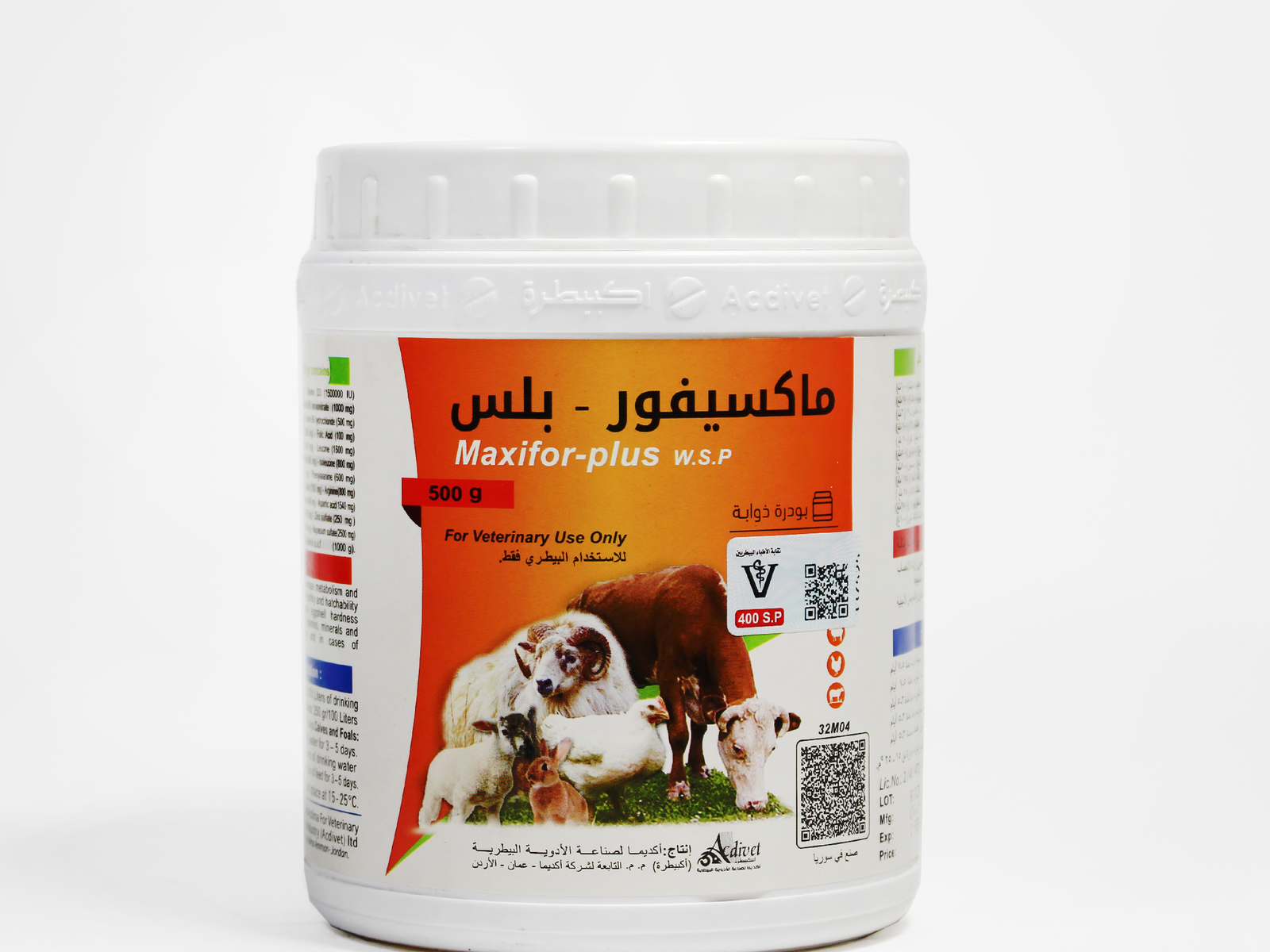
  • Used in combination with Maxifor Plus and alternately in lambs to prevent lamb paralysis, and in adult animals to increase fertility, conception rates, and twinning percentages.
  • Reproductive disorders in male and female animals.
  • Cases of low egg production in laying hens.
  • Cases of reduced fertility and hatchability in breeding hens and birds producing hatching eggs.
  • Encephalomalacia (crazy chick disease) in poultry.
  • Edematous effusion disease.
  • Immune system support in poultry and various other animals.

Dosage and Administration:

Administered via drinking water for poultry, lambs, yearlings, calves, cows, horses, sheep, and goats.

Dosages:

  • Poultry:
    • Preventive: 100 ml per 200 liters of drinking water
    • Therapeutic: 200 ml per 200 liters of drinking water
    • Duration: 5–7 days
  • Lambs: 1 ml per animal daily for 5 days
  • Yearlings and calves: 2–3 ml per animal daily for 5 days
  • Cows and horses: 3–5 ml per animal daily for 5 days

Precautions :

Do NOT use Vitamin E and Selenium Oral Solution for an animal that: • has a known allergy or hypersensitivity to any of the ingredients.

Consult with a veterinarian if your animal is pregnant. even though this is a vitamin supplementation; farmers should be aware of some negative consequences of overusing vitamins. This can result in hypervitaminosis and many health issues if not addressed and managed properly. If the animal has hypervitaminosis before adding the supplement, adverse effects can occur. Before adding any supplement, make sure to consult a veterinarian.

This product is only for animal use and should be used by a veterinarian or according to instructions.

Follow the recommended dosage from the veterinarian because hypervitaminosis can occur. Accidental overdosing should be managed as soon as possible.

Keep good hygiene practices when giving this supplement.

If farmers miss a dose, do not give two doses at once.

Excess vitamins can affect the nervous, cardiovascular, and gastrointestinal systems.

Keep the product out of reach of children.

What are the most common animals for which Vitamin E + Selenium Oral Solution is used?

Vitamin E + Selenium Oral Solution is primarily used as a nutritional supplement for animals. It can help in cases of:

  • vitamin deficiencies
  • mineral deficiencies
  • reproductive problems
  • different diseases

Ruminant Vitamin Supplementation

In ruminants, this supplement is used for the prevention and treatment of some diseases. This includes muscle dystrophy (white muscle disease) and postpartum complications (mastitis, retention of placenta, and failure to conceive).

Poultry Vitamin Supplementation

Vitamin E + Selenium Oral Solution can help in cases of skeletal muscle damage, heart or liver failure, and it is a good supplement to give before vaccination. It can also help in cases of encephalomalacia and decreased hatchability of eggs.

Pig Vitamin Supplementation

In pigs, this oral solution is useful for treating muscle dystrophy and postpartum complications. It can also be useful for treating Mulberry heart disease and acute hepatitis.

Side Effects :

As with all pharmaceuticals, some unwanted effects can occur from the use of Vitamin E + Selenium Oral Solution.

Some side effects may include but are not limited to gastrointestinal effects like diarrhea. Other gastrointestinal effects include vomiting and stomach upset but it is rarely seen.

Serious adverse effects include allergy or hypersensitivity reactions. There have been reports of anaphylactoid reactions in horses. If you notice any of these side effects, contact a veterinarian.

For a comprehensive list of all possible side effects of this medication, consult a veterinarian.

It's used to treat nutritional deficiencies that cause problems such as white muscle disease (WMD) or selenium-tocopherol deficiency (STD) syndrome in calves and cattle. It is also used to treat Encephalomalacia (Crazy Chick Disease) and decreased hatchability of eggs.

It is recommended for calves, lambs, sheep, goats, piglets, and poultry. This medicine can be used for most animals and species.

This medicine has been manufactured as a solution, which is intended to be administered orally. If this product is added to drinking water, the medicated water should be discarded after 24 hours. This can ensure the efficacy of the medicated water.

Vitamin E can improve cattle growth performance, health status, and nutritional composition of livestock products. It can lead to normal weight and appetite in livestock. According to studies, animals supplemented with vitamin E can improve their performance. This vitamin can increase the muscle α-tocopherol concentrations and improve the color and lipid stability of the fresh meat for a couple of days. The meat can get a normal red color. It can reduce lipid and myoglobin oxidation. The animal meat gets higher redness when supplemented with vitamin E.

It can also improve the quality of the milk. It improves its oxidative stability and can reduce the levels of somatic cell counts and the activity of the proteolytic enzyme plasmin in milk. Vitamin E in poultry can increase egg productivity and prevent liver damage.

Adequate levels of selenium can prevent selenium deficiency and lipid hydroperoxide accumulation in organs and tissues. It can improve the pregnancy rates at first service and result in fewer days to conception. It can also prevent abortions and stillborns. It can prevent fetal heart failure. It reduces the incidence of retained placenta, metritis, and ovarian cysts.

Selenium positively affects the rumen microbial fermentation. Dietary intake of this supplement reduces the chances of mastitis in animals by phagocytic activation of neutrophils. It can improve the immune response of the mammary gland through humoral and cellular activities.

In males, it can maintain the integrity of the sperm membrane and their fertilizing ability. It also improves the quality of the male ejaculate.

The interaction between selenium and vitamin E enhances the production of glutathione peroxidase, a crucial component of the antioxidant pathway. Selenium supplementation, alongside vitamin E, should be considered in feeding programs to improve the oxidative stability of muscle and dairy food during storage. Vitamin E, known as an antioxidant, can also act as a pro-oxidant and perform non-antioxidant functions, including regulating gene expression and acting as a signaling molecule. Vitamin E supplementation has been shown to lower the concentration of aldehydes, responsible for rancid off-flavors, in fresh meat. Vitamin E supplementation in livestock production as antioxidants could potentially reduce the formation of mutagenic compounds such as heterocyclic aromatic amines and polycyclic aromatic hydrocarbons during cooking, benefiting human health.

This medication should be stored in a dark, dry location under 30°C. Keep the bottle tightly sealed when not in use.

The withdrawal time for meat is 14-30 days. The exact duration will depend on the size of the animal, the dosage used, and the regulatory guidelines in a given country. Each country has its own regulations for drug and supplement withdrawal periods. However, this supplement also has a role in improving the meat quality for human consumption and preventing muscle destruction in animals.

The usual dose is 1-2ml for each liter of drinking water. Do not administer doses greater than 20-50ml per 1000 birds. Treatment should last between 5-10 days.

The maximum dosage is 2-4ml per kg of body weight. The duration of treatment should last 5-10 days.

Refer to a veterinary doctor or pharmacist for guidelines on dosage.
WhatsApp WhatsApp